
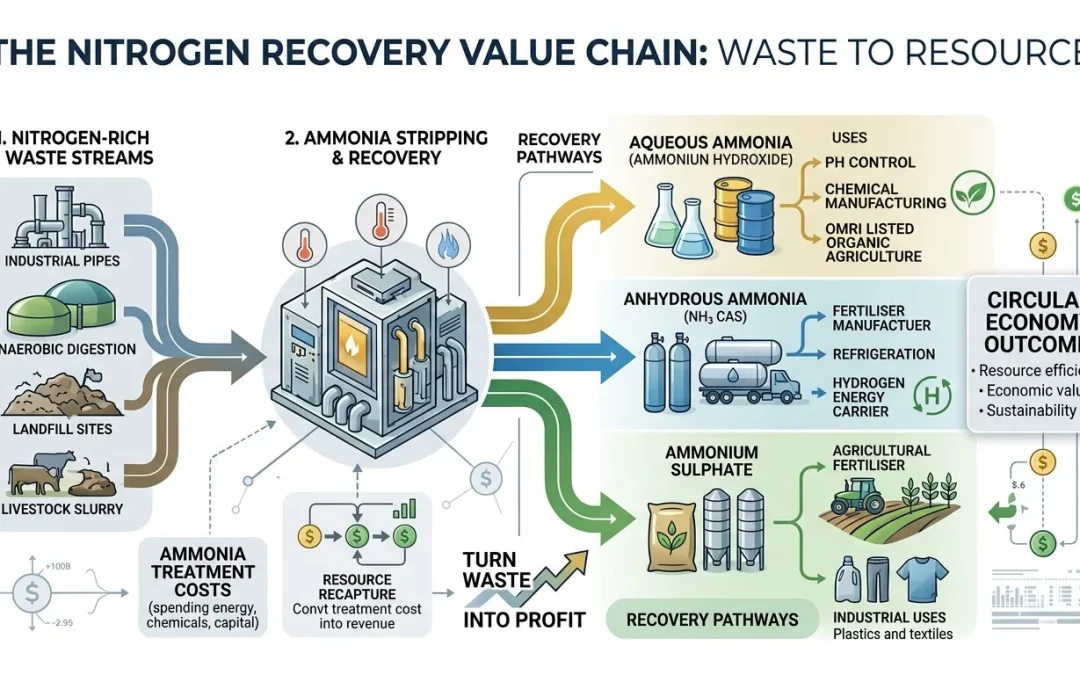
Most facilities know exactly what it costs to treat ammonia. However, few have calculated how much value leaves their site daily.
Where Does Ammonia Come From in Waste Streams?
Ammoniacal nitrogen is present in a wide range of industrial and agricultural streams. The most common sources are:
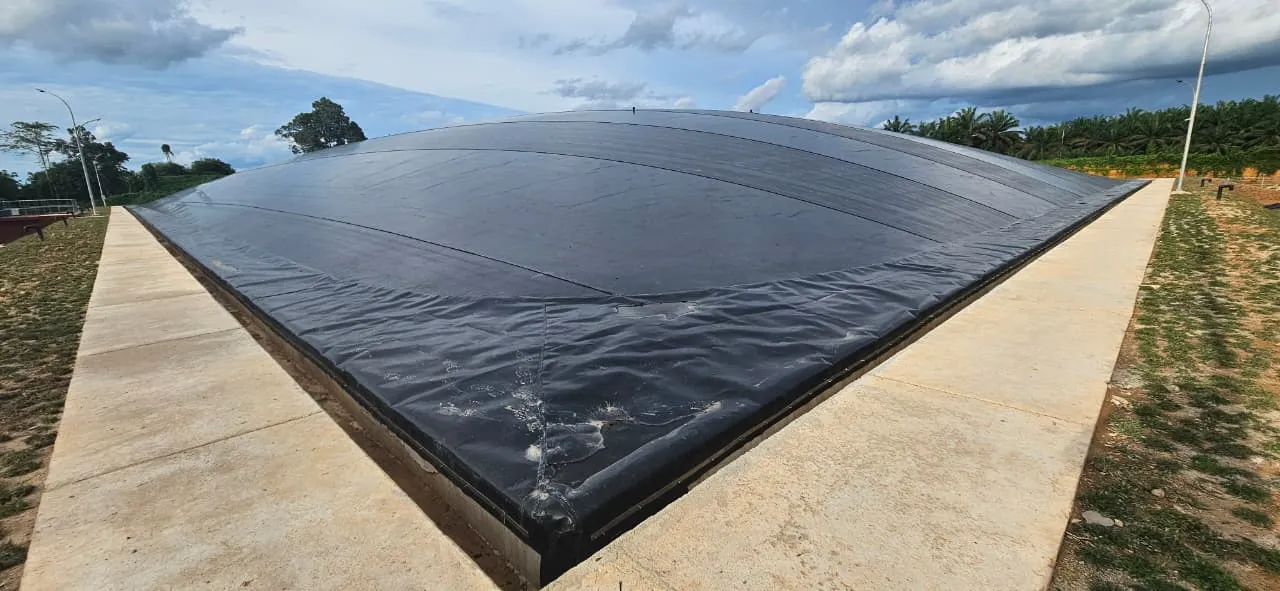
Anaerobic digestion reject water
the liquid fraction after digestate dewatering typically carries TAN concentrations of 1,500–5,000 mg/L, depending on feedstock
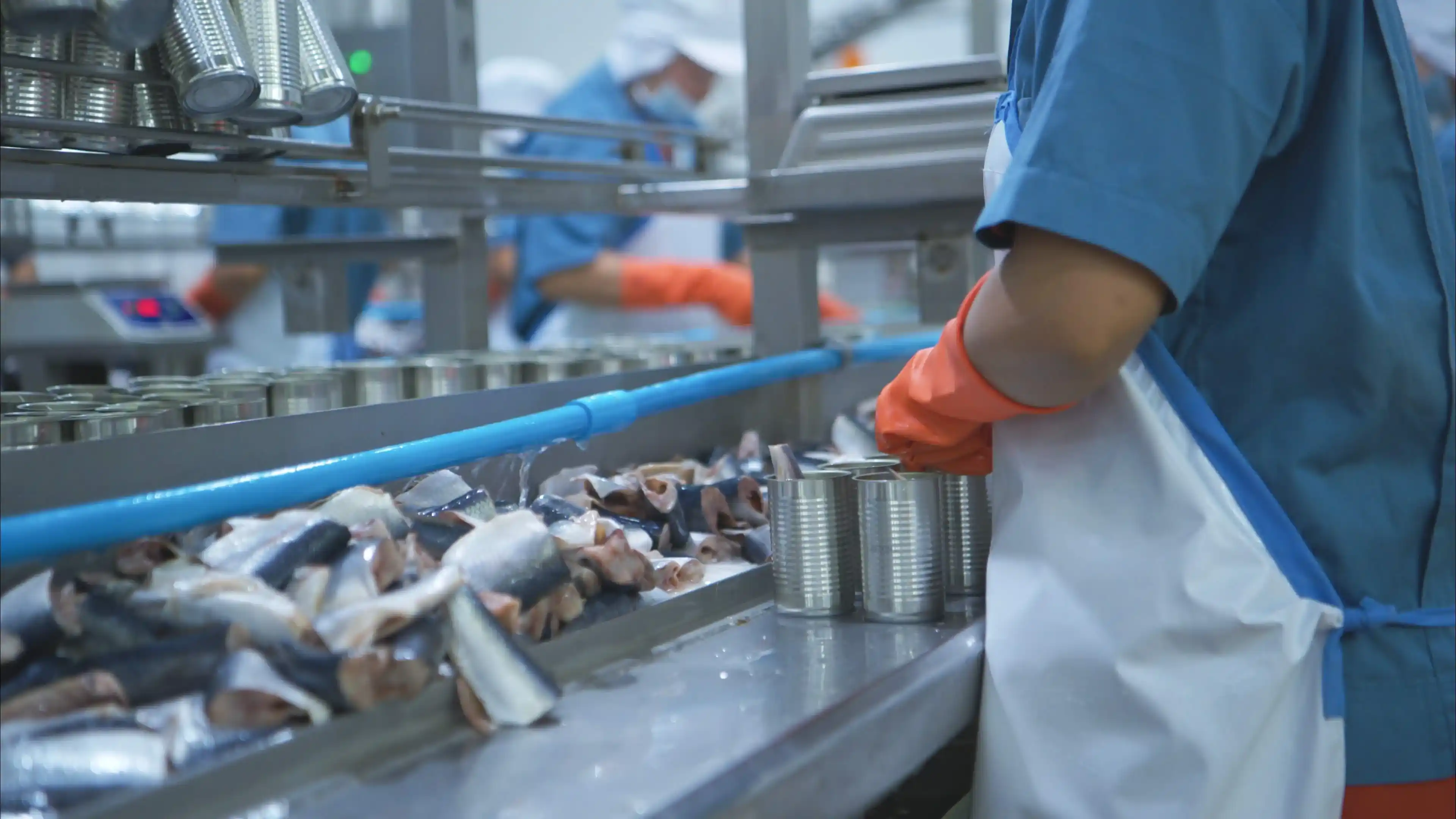
Food processing wastewater
high-protein processing (meat, dairy, fish, fermentation) generates ammonia-rich effluents with significant treatment and recovery potential
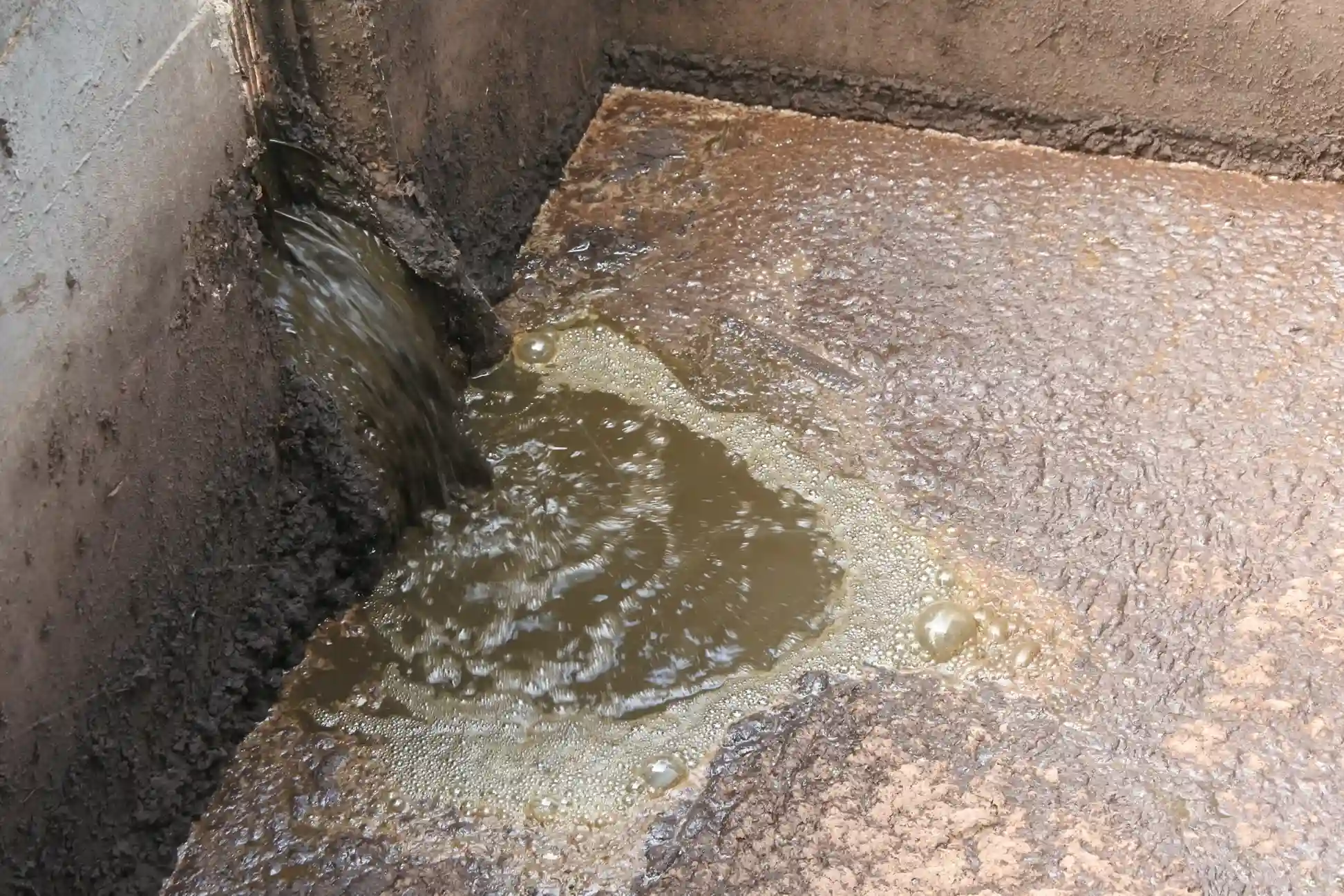
Biosolids liquors
sludge dewatering at municipal wastewater treatment works returns high-strength ammonia centrate to the head of the plant
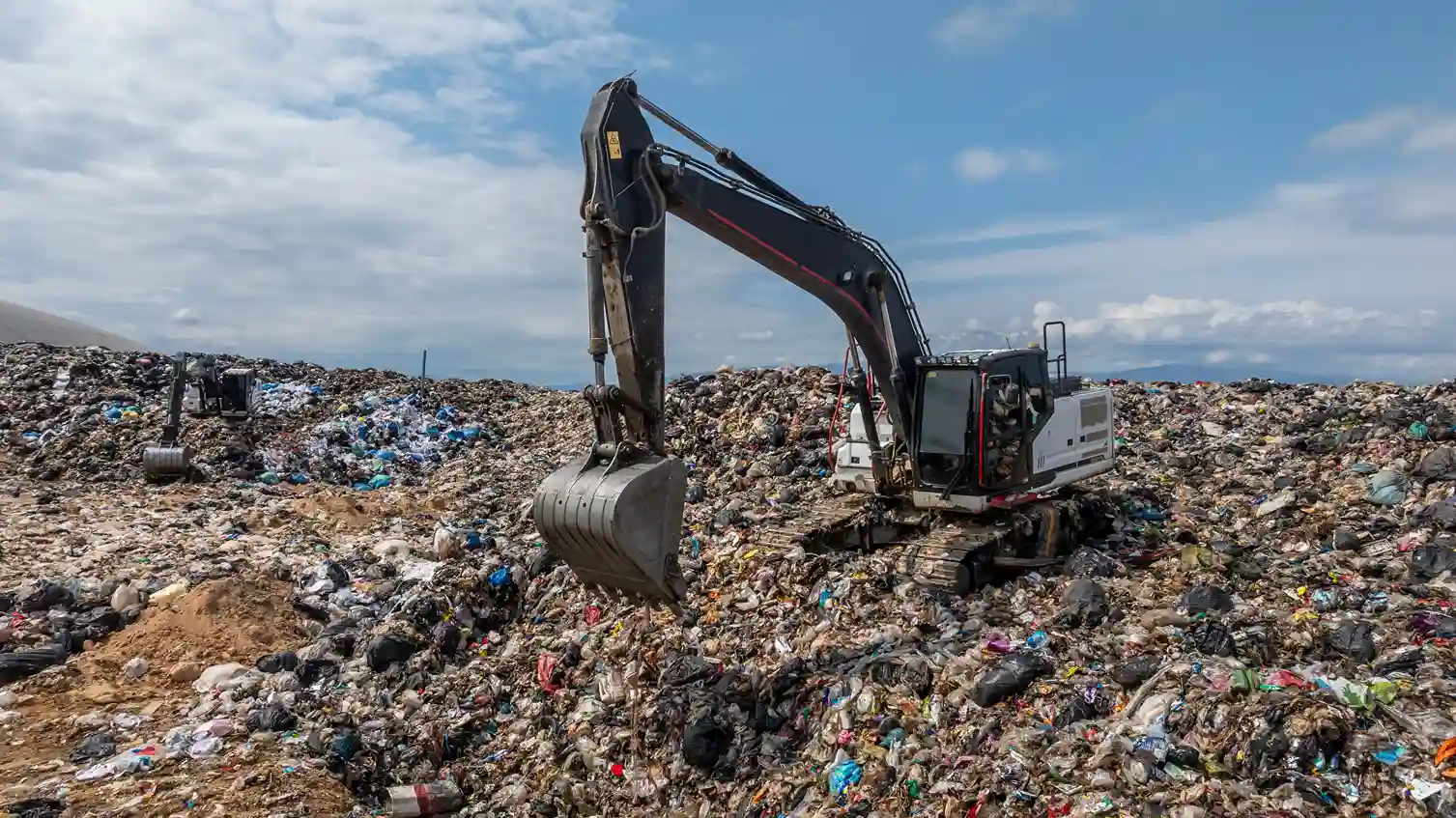
Landfill leachate
long-term leachate from biodegradable waste carries persistent and challenging TAN loads, often for decades after site closure
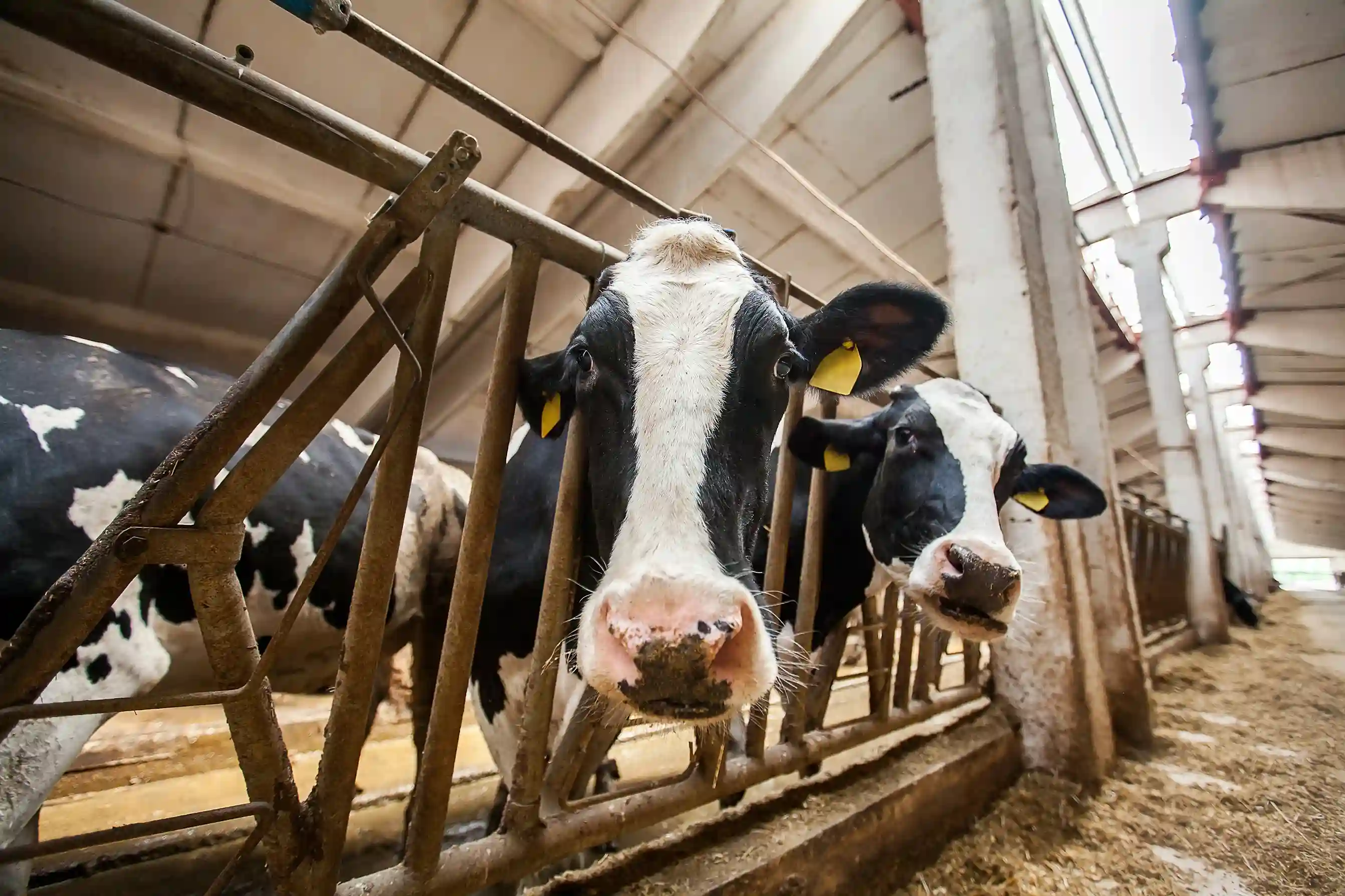
Livestock manure and slurry
agricultural operations produce large volumes of ammonia-rich liquid with direct fertiliser value
The Double Payment Problem
Facilities that treat ammonia through biological nitrogen removal effectively pay twice for the same nutrient. First, they pay to destroy it — through energy, chemical dosing, sludge disposal and capital infrastructure. Then, in many cases, they purchase ammonium hydroxide, fertiliser or industrial ammonia manufactured from virgin nitrogen sources elsewhere, at full market cost.
This is the circular economy failure at the heart of conventional ammonia treatment: destroying a resource, then buying it back.
Calculating the Value: A Worked Example
Take an anaerobic digestion plant treating 50,000 tonnes of food waste per annum. A typical digestion process generates a digestate liquid fraction of approximately 30,000 m³/year with a TAN concentration of around 3,000 mg/L.
Total recoverable nitrogen: 3,000 mg/L × 30,000,000 litres = 90,000 kg TAN per annum = 90 tonnes N/year
Converted to ammonium hydroxide solution (20–25% NH₃): approximately 360–450 tonnes product per year
At a conservative market value for standard-grade product, this represents approximately £65,000–£90,000 per year in recoverable product value — from a stream currently being treated as a waste cost. Where the product achieves OMRI listing for use in organic agriculture (possible with OTAR Variant 2’s water absorption route), the value per tonne is higher still.
That is before accounting for savings from reduced aeration energy, reduced chemical dosing and improved plant hydraulic capacity.
What Can Recovered Ammonia Become?
OTAR’s modular architecture supports multiple product pathways depending on site conditions and local markets:
Ammonium hydroxide (aqueous ammonia, 20–25% NH₃)
absorbed into water without acid, eligible for OMRI listing for organic agriculture; also used in industrial pH control, chemical manufacturing and municipal operations. This is Variant 2 of the OTAR platform and the preferred route where agricultural or industrial offtake is available.
Anhydrous ammonia
produced by further concentration of recovered ammonium hydroxide; a versatile compound used in fertiliser manufacture, refrigeration and increasingly as a hydrogen energy carrier for maritime and industrial applications.
Ammonium sulphate
produced where the recovered gas is reacted with sulphuric acid (OTAR Variant 3); an established fertiliser with strong agricultural market demand, particularly in regions with sulphur-deficient soils. This route requires sulphuric acid supply and foregoes OMRI eligibility.
Thermal destruction
where no viable product market exists (Variant 1), the stripped ammonia gas is oxidised at high temperature to nitrogen gas and water vapour, achieving regulatory compliance using otherwise wasted heat.
The OTAR Approach
OTAR (Organics Thermal Ammonia Recovery)
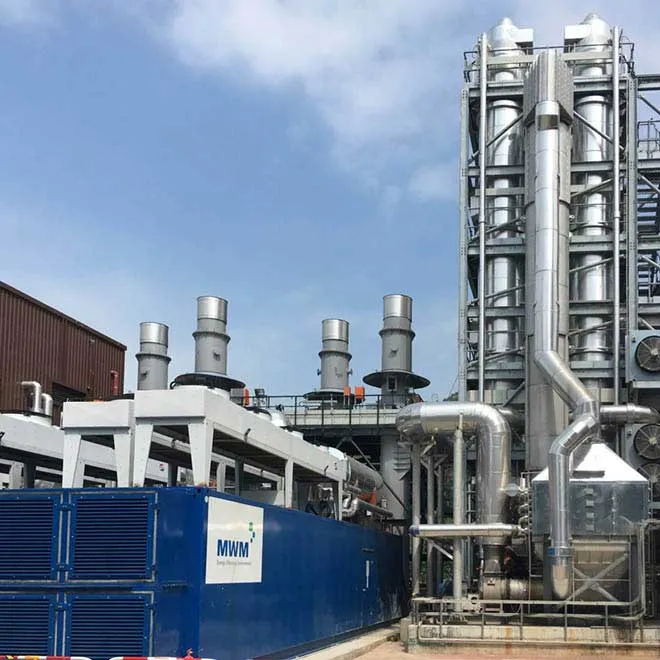
OTAR is a modular platform with over 20 years of operational experience and proven installations in Asia. For operators currently spending on biological nitrogen removal, the most commercially attractive configuration — Variant 2, water absorption — converts a treatment cost into ammonium hydroxide revenue with no acid supply chain, no salt production and no hazardous chemical handling. Where waste heat is unavailable, Variant 4’s heat recycling system achieves a coefficient of performance exceeding 15, making thermal stripping viable even from cold electricity.
The ammonia already exists. The demand already exists. The question is whether you are capturing the value — or paying to destroy it.