
Ammonia Recovery Technology
Wastewater and Leachate Management
If you require ammonia recovery systems for wastewater treatment, please fill out the questionnaire attached to this link. Fill it in online and submit it directly. We will get back to you with a comprehensive response as soon as possible.
Contaminated Water
Leachate is the liquid that passes through a landfill and is contaminated by interaction of dissolved or suspended elements. Treatment of leachate remains one of landfill engineering’s most complex problems to solve.
The WENT landfill site in Hong Kong is a major installation serving the city of Hong Kong. The site treats leachate for high levels of ammonia prior to release to the environment. The system uses waste landfill gas to provide a source of heat for the process.
Where Does High-Ammonia Wastewater Come From?
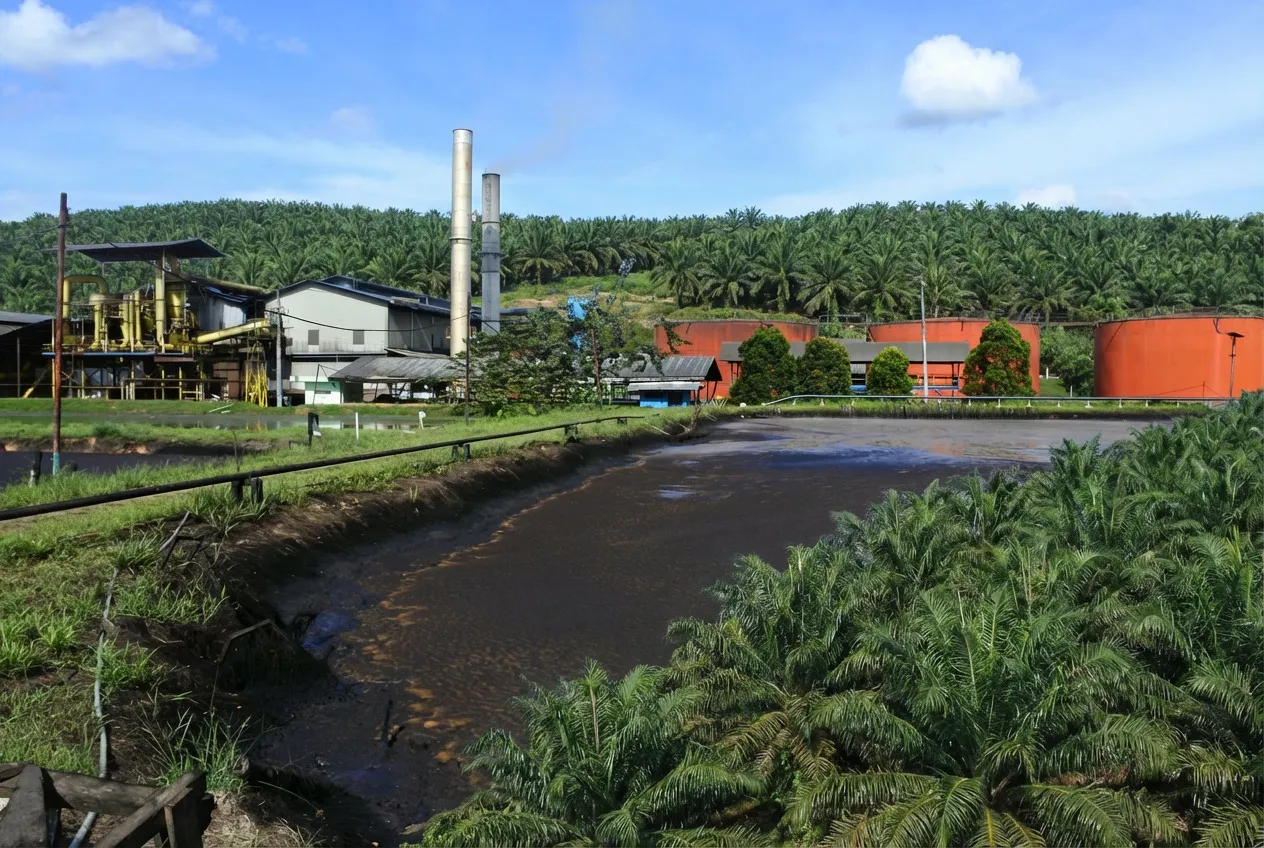
Palm Oil Mills & POME
Palm oil mill effluent can contain ammonia alongside high organic loads. Ammonia treatment may be required as part of the wider wastewater treatment and discharge strategy.
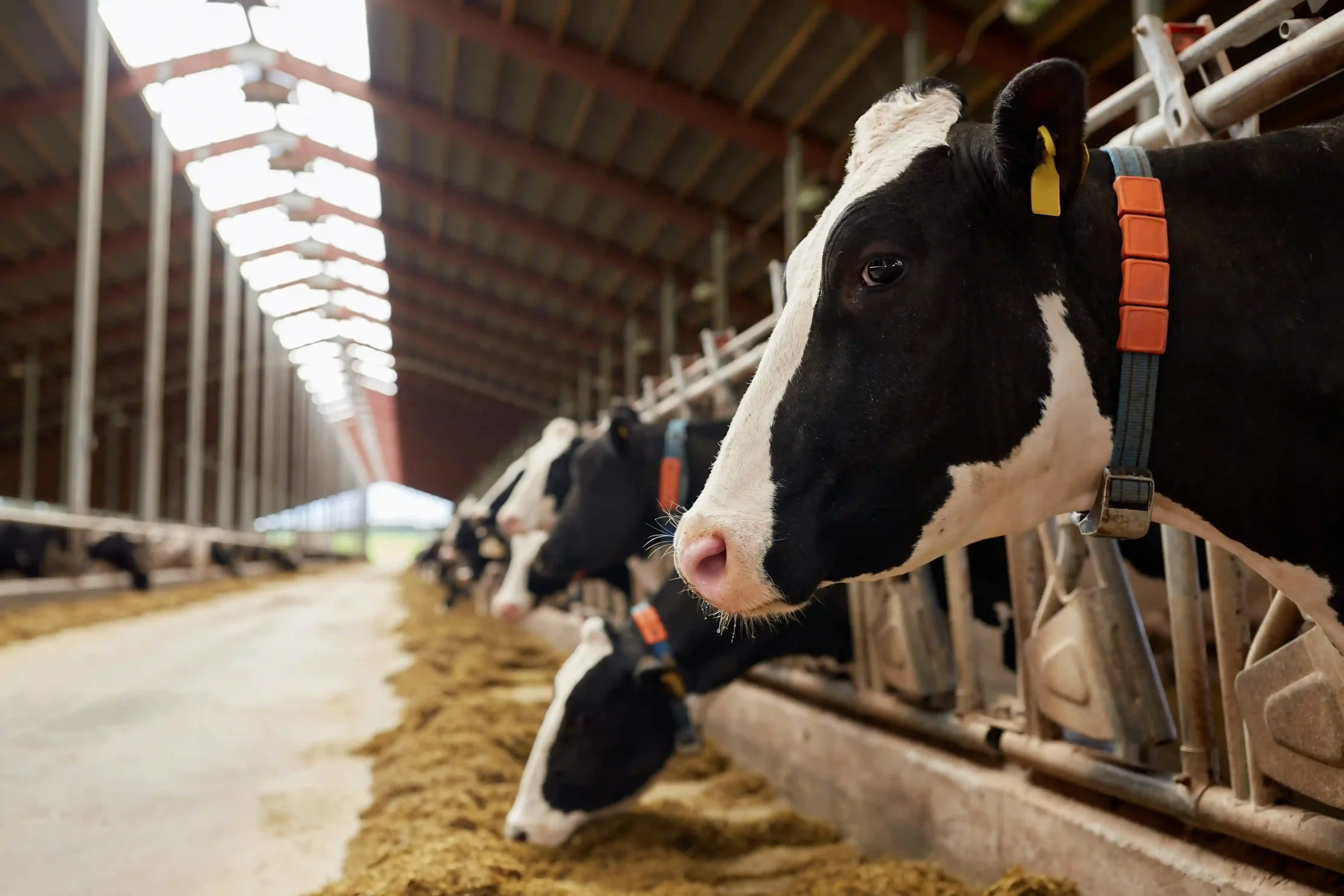
Livestock & Poultry
Manure and washdown wastewater can carry concentrated ammoniacal nitrogen. Large-scale farming operations can therefore generate a significant ammonia treatment load.
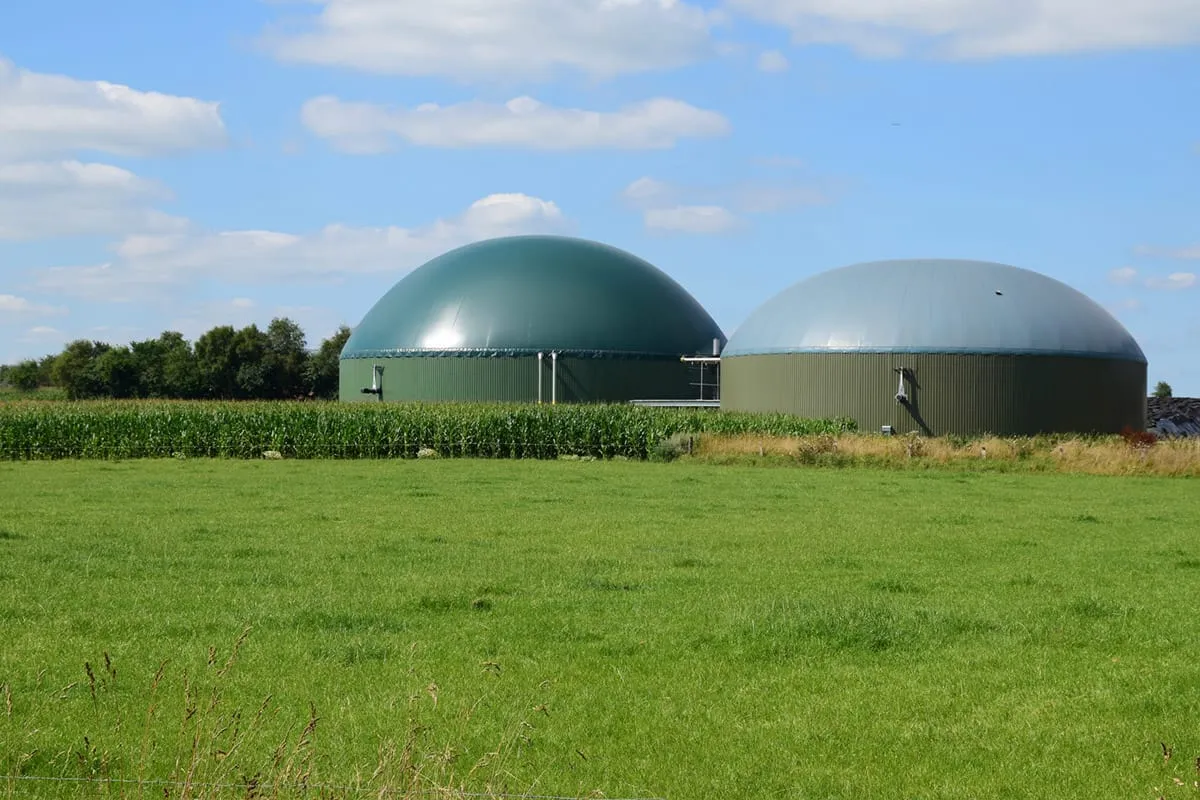
Anaerobic Digestion & Biogas
Digestate, centrate and other digester side-streams can return concentrated ammonia to the wastewater treatment process. High ammonia can also affect anaerobic digestion performance.

Food & Beverage Processing
Protein- and nitrogen-rich process streams can generate ammonia-bearing wastewater. Relevant applications include dairy, meat, fisheries, soy, MSG, tapioca and sugar processing.

Landfill Leachate & Waste Processing
Landfill leachate and waste-processing side-streams can contain high ammonia concentrations and place additional load on biological treatment.
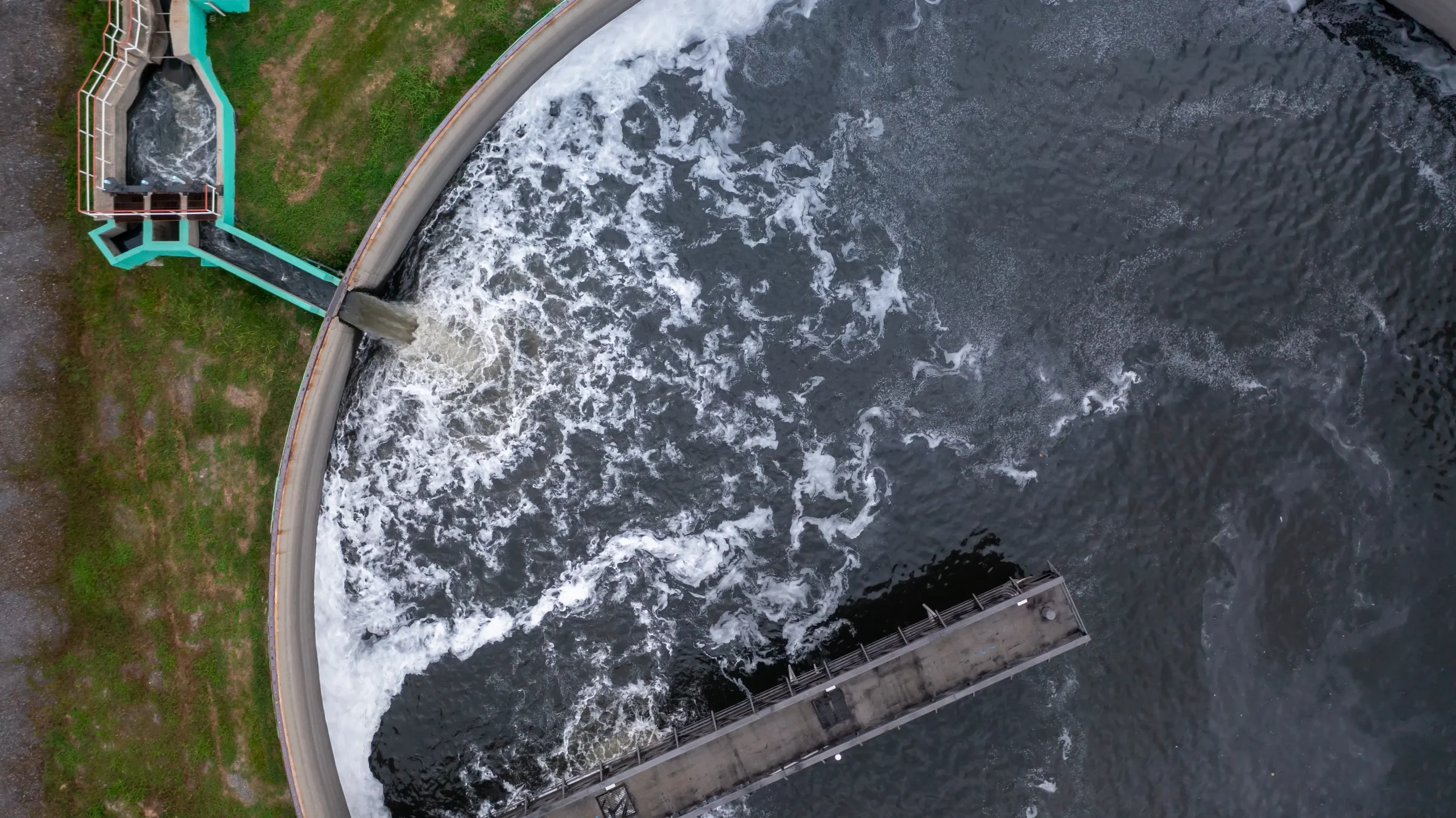
Municipal, Hospitality & Industrial Wastewater
Municipal facilities, hotels, developments and industrial plants may need ammonia treatment to meet applicable discharge requirements.
Why High Ammonia Becomes a Treatment Problem
Discharge Compliance
A facility can meet other wastewater parameters and still have difficulty meeting its ammonia requirement.
Biological Treatment
High ammonia can increase biological loading and can inhibit nitrification when concentrations exceed the process design range.
Anaerobic Digestion
High ammonia can inhibit anaerobic digestion and affect digester stability and biogas performance.
Ammonia-Rich Side-Streams
Centrate and dewatering liquor can contain a disproportionate share of the total ammonia load and return it to the head of the works.
Nitrogen Recovery
Ammonia does not always need to be treated only as a waste stream. Depending on the application, it can potentially be recovered as a useful nitrogen product.
Is Ammonia Affecting Your Facility?
Effluent ammonia remains above the required discharge target.
Biological treatment struggles with high ammonia loads or intermittent peaks.
Digestate, centrate or dewatering liquor is returning ammonia to the treatment line.
Ammonia is affecting anaerobic digestion or biogas performance.
Existing treatment has limited compliance margin for ammonia.
You are looking for an alternative to simply increasing biological treatment capacity.
You want to evaluate ammonia recovery rather than only ammonia destruction.
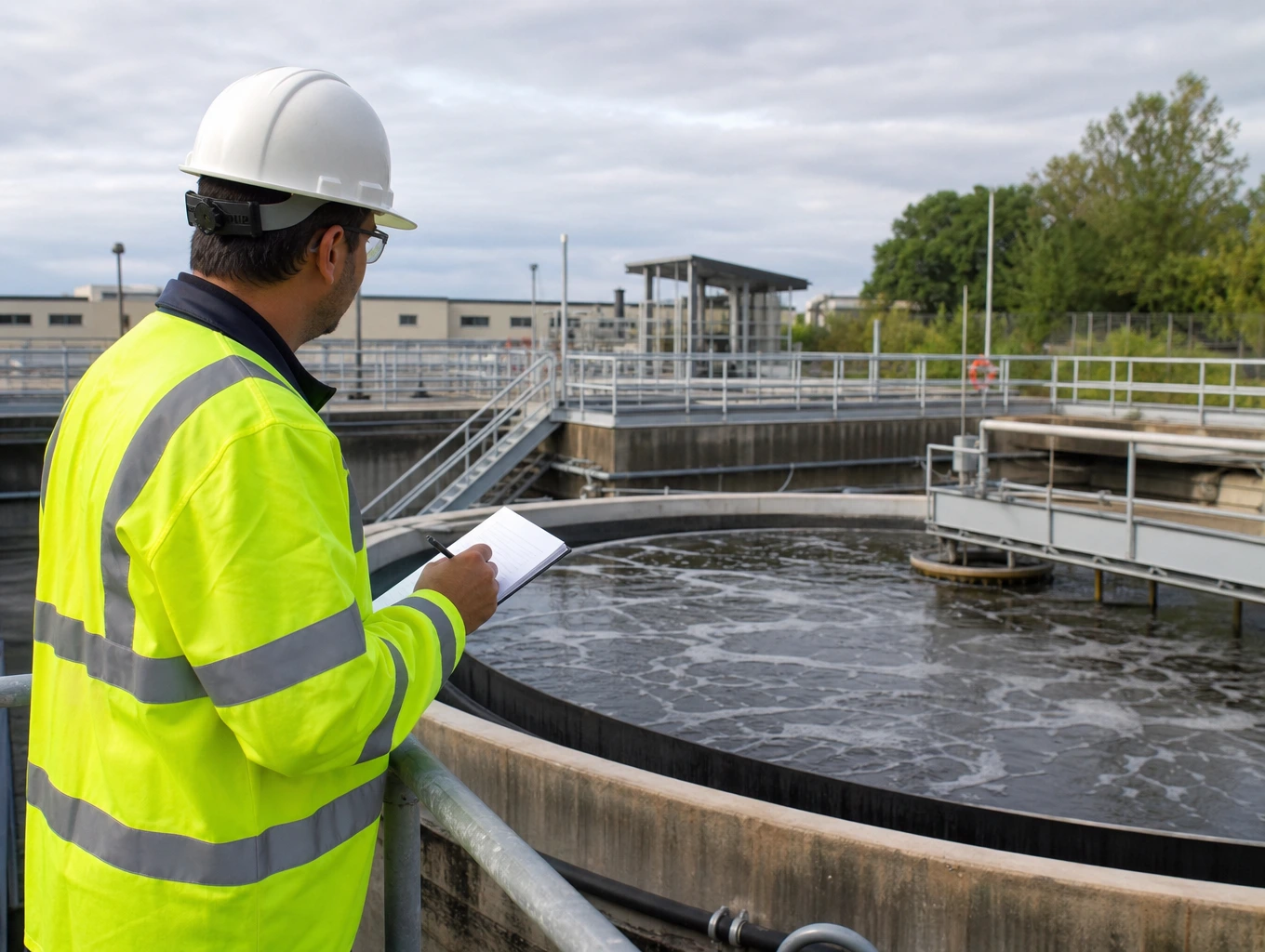
Ammonia Treatment Solutions
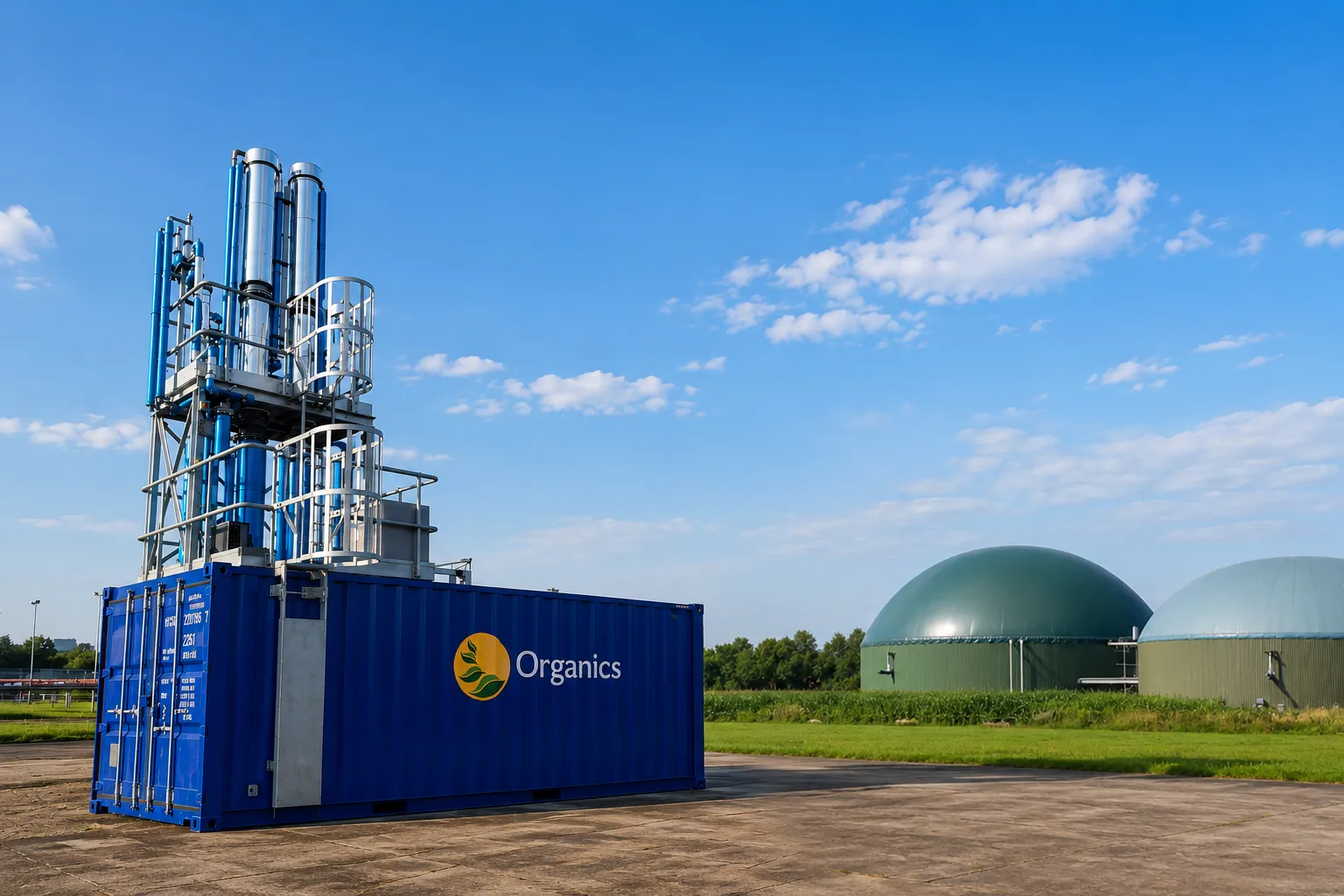
OTAR® (Organics Thermal Ammonia Recovery)
Ammonia Removal, Destruction & Recovery
OTAR® is Organics’ primary ammonia treatment platform. It provides configurable approaches for ammonia removal, destruction and recovery from high-strength wastewater.
The OTAR® platform has five variants. The detailed process, configuration and selection criteria are covered on the dedicated OTAR® page.
OTAR® (Organics Thermal Ammonia Recovery)
Ammonia Removal, Destruction & Recovery
OTAR® is Organics’ primary ammonia treatment platform. It provides configurable approaches for ammonia removal, destruction and recovery from high-strength wastewater.
The OTAR® platform has five variants. The detailed process, configuration and selection criteria are covered on the dedicated OTAR® page.
Biological Treatment / SBR
Organics can also provide Sequencing Batch Reactor (SBR) systems where ammonia concentrations and biological loading are within the appropriate process range.
SBR is a separate wastewater treatment option, not an OTAR® variant. It can be used as the primary biological treatment process in suitable applications or as a polishing stage downstream of ammonia treatment.
For high-strength ammonia streams, OTAR® can reduce the ammonia load before biological treatment. The two approaches can therefore be complementary where the site requires both dedicated ammonia removal and biological polishing.
What More Could Your Wastewater Deliver?
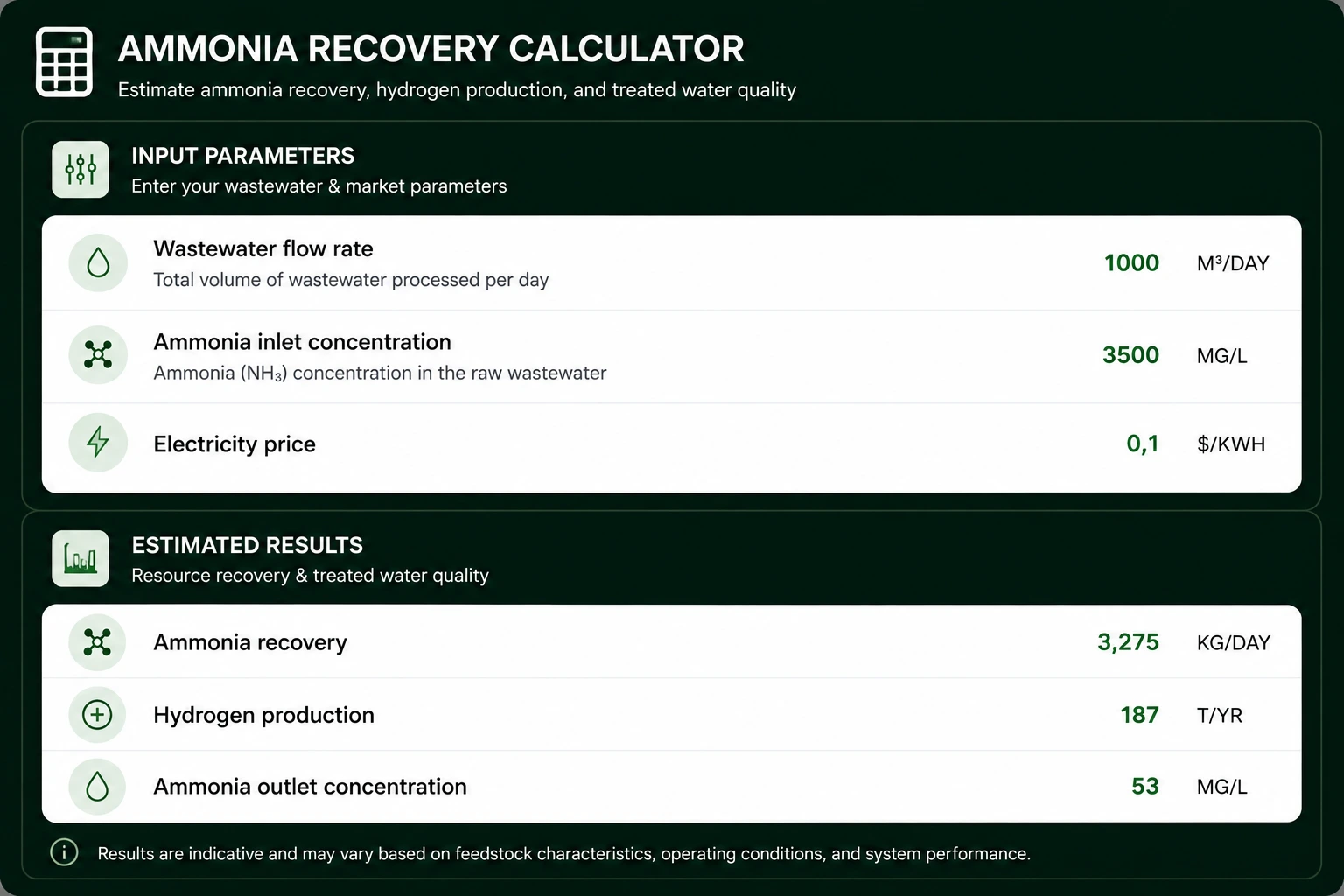
Evaluate the potential to recover ammonia and produce hydrogen while understanding the energy requirements and economics of your wastewater treatment process.
Free • Preliminary Estimate • No Commitment
Ammonia Treatment Track Record
Organics has more than two decades of thermal ammonia treatment experience, with 16+ facilities built since 1998 and more than 100,000 hours of documented compliant operation. The international reference installations below demonstrate treatment of high-strength ammonia wastewater and landfill leachate.
SENT Landfill, Hong Kong
A high-strength ammonia treatment application treating approximately 2,000 m³/day of wastewater.
- Feed flow 2,000 m³/day
- Influent ammonia 4,500 mg/L NH₃-N
- Effluent ammonia <100 mg/L NH₃-N
- Ammonia removed 8.5 tonnes/day
West New Territories (WENT) Landfill, Hong Kong
A high-strength thermal ammonia treatment installation with an ammonia concentration of 6,700 mg/L NH₃-N in the incoming stream.
- Feed flow 2,300 m³/day
- Influent ammonia 6,700 mg/L NH₃-N
- Effluent ammonia <100 mg/L NH₃-N
Why Organics Group?
Ammonia treatment is not a one-size-fits-all application. The treatment approach must be matched to the ammonia load, wastewater characteristics, existing plant and discharge objective.
- More than 30 years of ammonia treatment engineering experience.
- 16+ thermal ammonia treatment facilities built since 1998.
- More than 100,000 hours of documented compliant operation.
- Experience with high-strength wastewater, landfill leachate and anaerobic digestion side-streams.
- Experience integrating ammonia treatment with wastewater, biological treatment, landfill gas and biogas systems.
- Engineering capability covering both dedicated ammonia treatment and complementary wastewater treatment where appropriate.
FREQUENTLY ASKED QUESTIONS
We answer the most common questions about ammonia recovery
Find answers to the most common questions about OTAR® technology, ammonia recovery, and its industrial applications.
What is ammonia wastewater treatment?
Ammonia wastewater treatment removes ammoniacal nitrogen from wastewater to meet treatment objectives, protect downstream biological processes or enable nitrogen recovery.
Which industries are generate high-ammonia wastewater?
Applications include palm oil mills, livestock and poultry, food and beverage processing, anaerobic digestion, landfill leachate, municipal wastewater and other nitrogen-rich industrial processes.
What is the ammonia discharge standard?
The applicable ammonia requirement depends on the wastewater category, industry, receiving environment and environmental approvals. Relevant frameworks include PP No. 22/2021, Permen LHK P.68/2016, sector-specific industrial standards and applicable provincial requirements.
How do you remove ammonia from POME?
Ammonia treatment for POME is site-specific. The appropriate approach depends on POME flow, ammonia concentration, existing treatment, discharge target and available energy. OTAR® is Organics’ primary ammonia treatment platform.
Can ammonia removed from wastewater be recovered?
Depending on the selected treatment configuration and project requirements, ammonia can be recovered as ammonium hydroxide, ammonium sulphate or concentrated ammonia.
Can OTAR® and SBR be used together?
Yes. OTAR® can reduce a concentrated ammonia load before biological polishing, while SBR can provide downstream biological treatment where appropriate.
How can I assess an ammonia treatment project?
Initial assessment normally requires wastewater flow, influent ammonia concentration, required effluent target, wastewater source, existing treatment and available heat or energy.
Didn’t find your answer? Ask our OTAR® specialist directly