
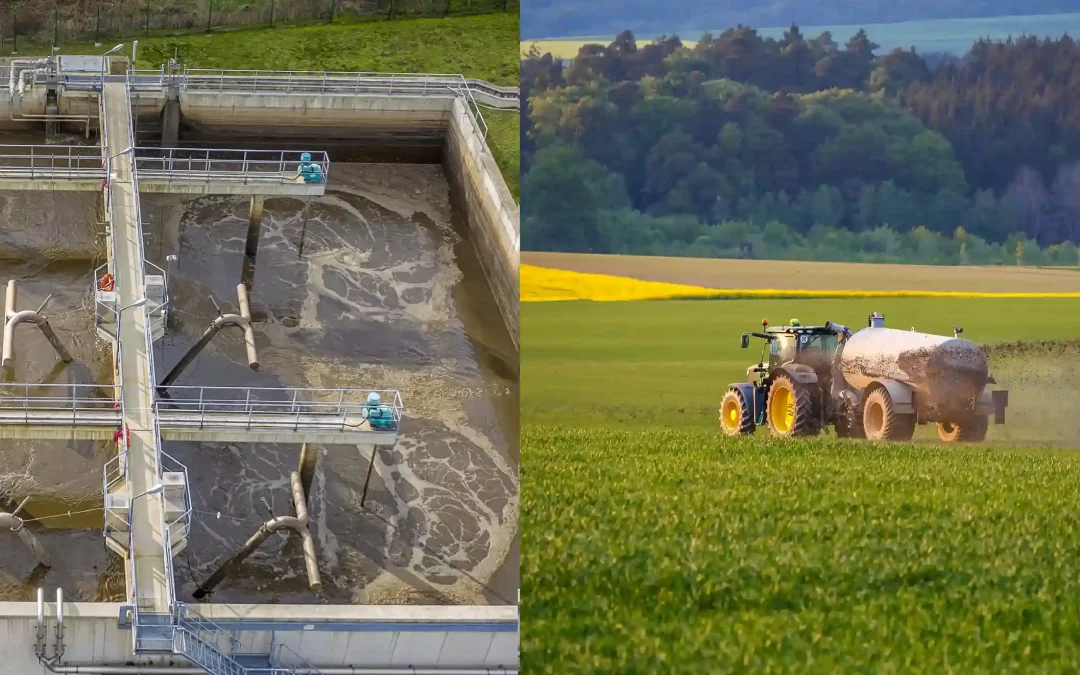
For every tonne of ammonia destroyed by biological removal, operators waste energy, chemicals, and capital. They also discard a valuable fertilizer nutrient worth hundreds of pounds per tonne.
What Is Biological Nitrogen Removal?
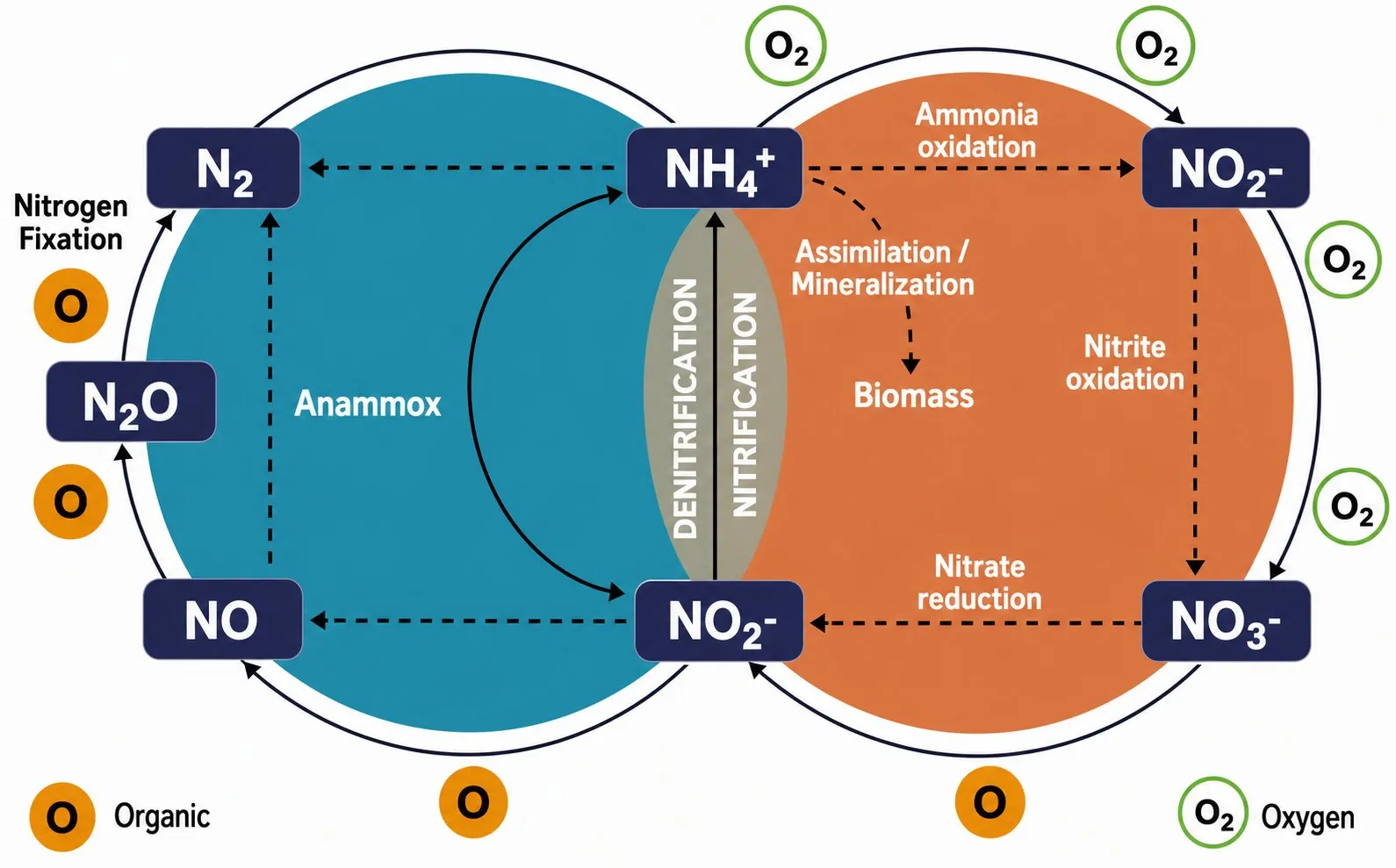
Biological nitrogen removal (BNR) is the process by which ammonia in wastewater, digestate and industrial streams is converted first to nitrate (nitrification) and then to nitrogen gas (denitrification) by microbial activity. The nitrogen disappears. Compliance is achieved. The problem is that the costs do not.
BNR has been the default solution for ammonia treatment for decades, and for good reason: the process is well understood, regulatory approval is straightforward and the engineering is proven. But as energy prices rise and facilities face increasing efficiency pressure, a fundamental question is being asked with greater urgency:
Is destroying nitrogen really the best use of resources?
The Energy Burden
Nitrogen destruction is energy-intensive. BNR requires sustained aeration to support nitrifying bacteria — and in many treatment plants, aeration already represents the single largest consumer of electricity on site. Higher ammonia concentrations, typical in digestate reject water and food-processing streams, demand higher oxygen transfer rates, larger blower systems and proportionally greater energy consumption.
Independent assessments consistently place aeration energy at 40–60% of total wastewater treatment plant electricity demand. For facilities treating high-strength ammonia loads, the figure can be higher still.
The Costs Beyond Energy
The hidden costs of BNR extend well beyond the electricity bill:
Carbon source addition
denitrification requires an organic carbon source (typically methanol or acetic acid) when influent BOD is insufficient, adding significant ongoing chemical cost
Alkalinity supplementation
nitrification consumes alkalinity; many facilities dose lime or sodium bicarbonate to maintain process stability
Sludge production and disposal
the biological mass generated by BNR must be thickened, dewatered and disposed of, adding to operating costs and carbon footprint
Infrastructure scale
BNR requires large aeration tanks, secondary clarifiers and complex instrumentation; capital costs are substantial and the footprint may not be available at existing sites
Operational complexity
maintaining the correct balance between nitrification and denitrification requires continuous monitoring and skilled operation
The Biggest Hidden Cost: The Value of the Nitrogen Itself
Perhaps the most overlooked cost of BNR is the economic value being destroyed alongside the nitrogen. The global fertiliser industry consumes approximately 200 million tonnes of nitrogen each year. Ammonia is also increasingly recognised as an energy carrier for the emerging hydrogen economy. Facilities that destroy ammonia through BNR are, in effect, incinerating a resource with multiple high-value applications.
Recovered ammonium hydroxide — the primary product of OTAR’s Variant 2 — has established markets in agriculture, industrial chemistry and municipal operations. With further concentration, the same process stream can yield anhydrous ammonia for energy applications. The commercial opportunity is real and accessible.
A Different Approach: Organics Thermal Ammonia Recovery
OTAR (Organics Thermal Ammonia Recovery), developed by Organics Group PLC, takes a fundamentally different approach. Instead of destroying nitrogen using energy-intensive biological processes, OTAR uses thermal energy — either from existing waste heat or from a highly efficient heat recycling system — to strip ammonia from the liquid phase and recover it as a usable product.
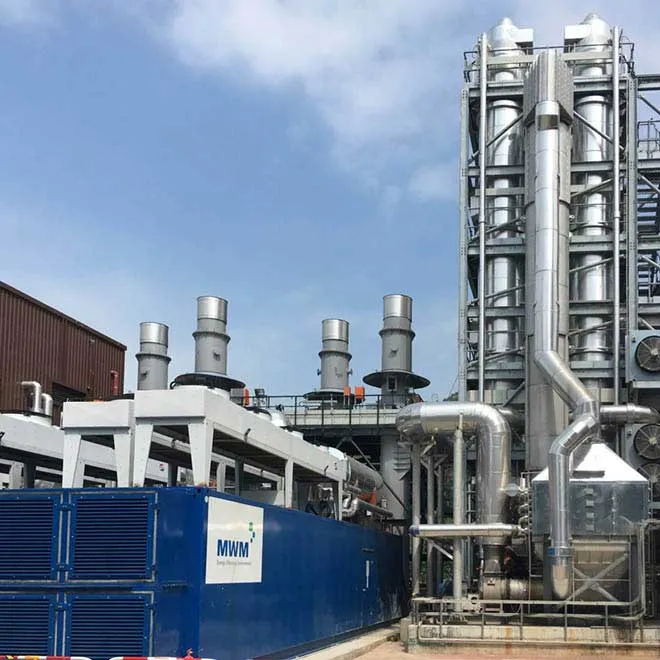
The platform is modular. Where there is an established product market, OTAR recovers ammonia as ammonium hydroxide or anhydrous ammonia. Where no product market exists, it can destroy the ammonia thermally and efficiently using the same waste heat. The objective shifts from simple compliance to value maximisation — and with over 20 years of operational experience and proven installations across Asia, the technology is not experimental.
Nitrogen is too valuable to treat as waste.
In the next post in this series, we quantify exactly how much ammonia value is leaving your site every day — and what it would be worth to recover it.