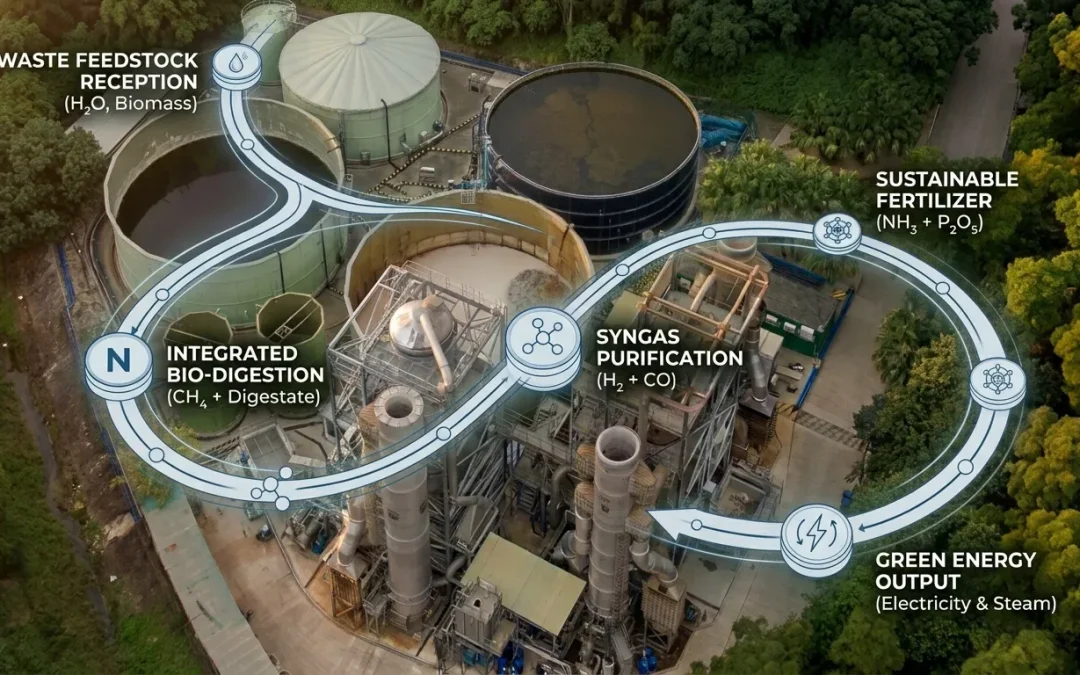
The fertiliser industry consumes approximately 200 million tonnes of nitrogen every year, almost all of it fixed from atmospheric nitrogen using enormous quantities of fossil energy. Meanwhile, waste streams around the world discharge reactive nitrogen to rivers,...
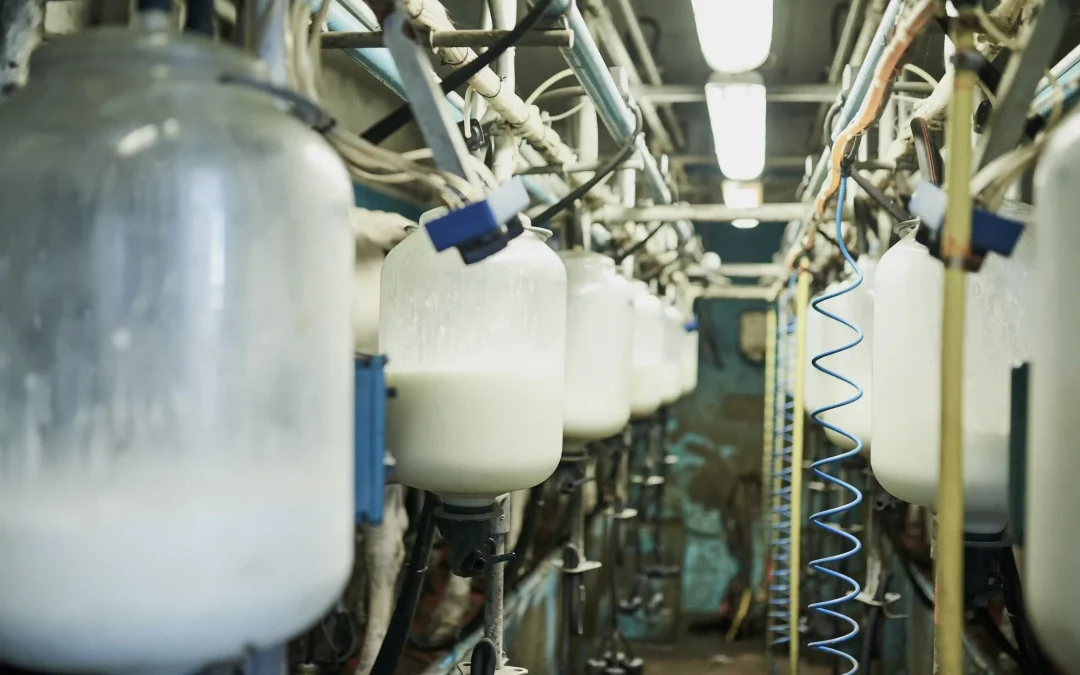
A large dairy processing plant may generate sufficient ammoniacal nitrogen in its effluent to produce 200+ tonnes of ammonium hydroxide per year — a product with industrial, agricultural and OMRI-eligible markets — that it is currently paying to destroy. High-protein...
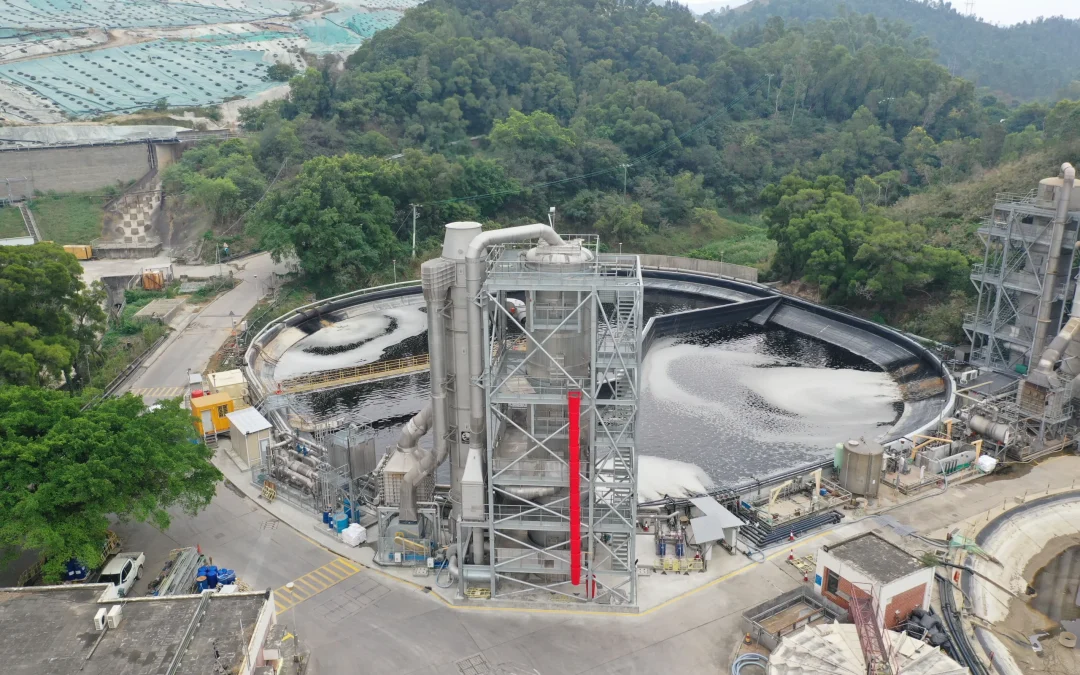
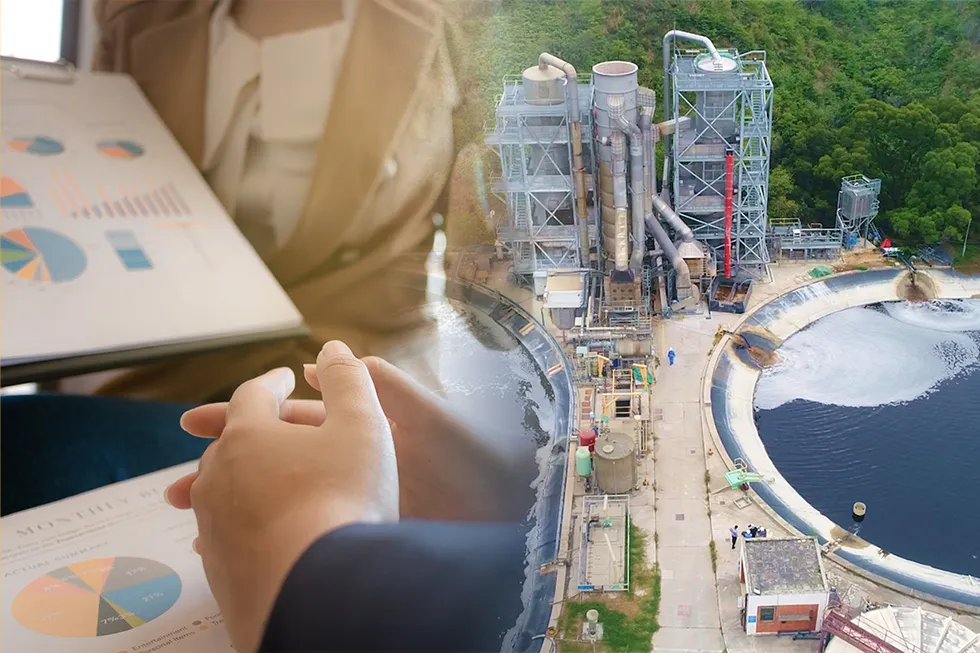
Several Hong Kong leachate treatment facilities run OTAR Variant 1 on waste heat from landfill gas engines. As a result, they meet strict nitrogen discharge limits without handling any chemical products. It is also a proven, low-complexity approach to a notoriously...
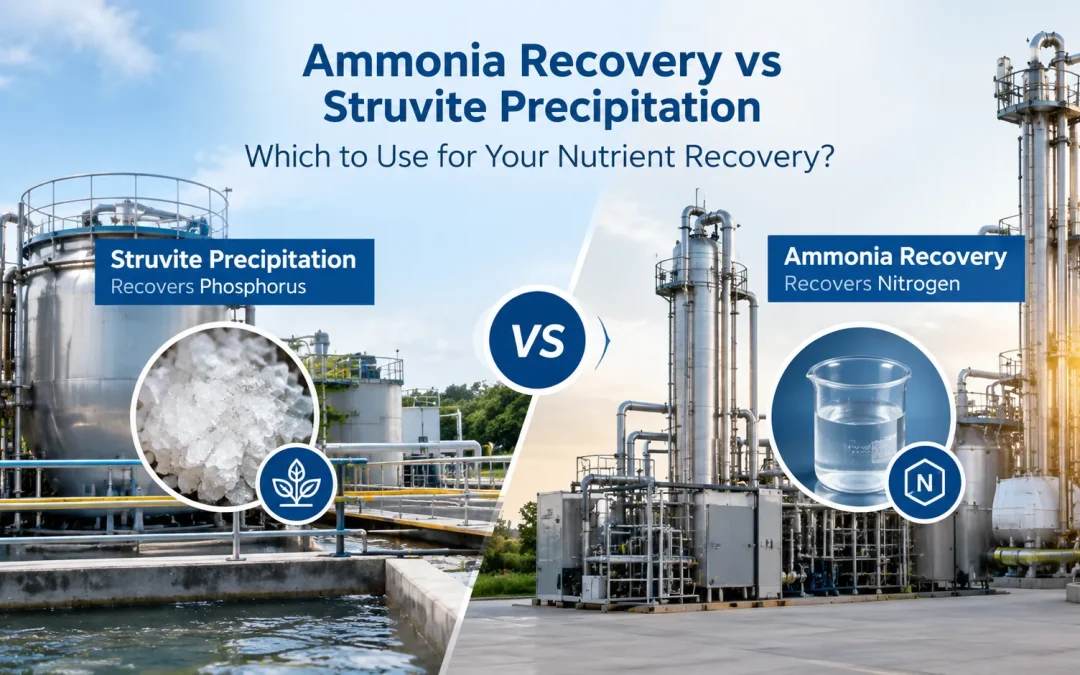
Struvite mainly recovers phosphorus, while OTAR mainly recovers nitrogen. For most high-TAN streams, the two technologies complement each other rather than compete. However, understanding the difference prevents expensive mistakes in technology selection. Many...
OTAR’s business case rests on three simultaneous value streams. Together, they frequently produce payback periods that compete favourably with conventional capital investment. For most operators, the investment decision comes down to three questions: what are...
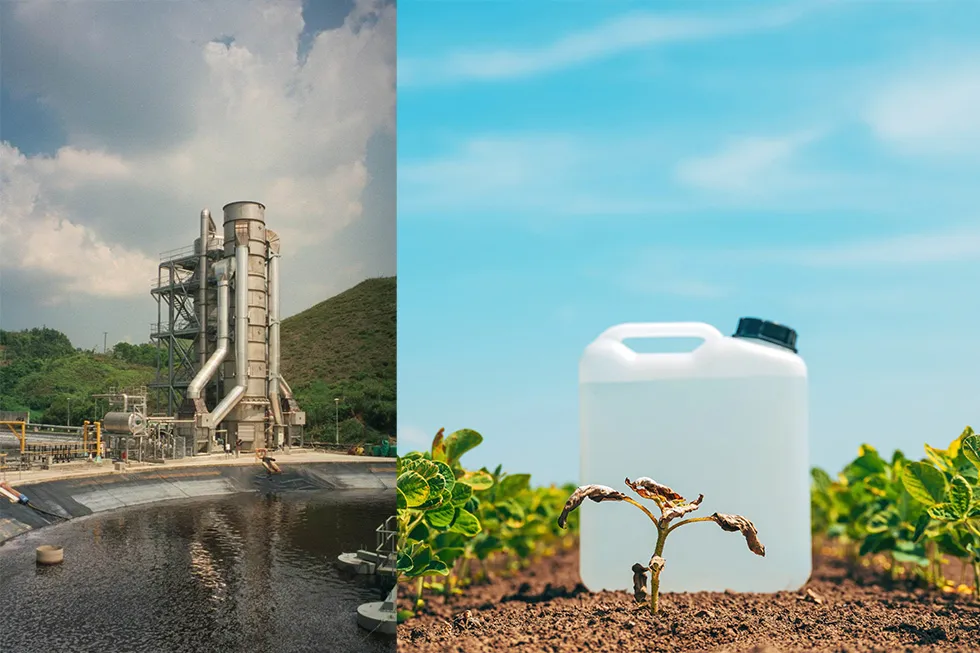
OTAR Variant 2 absorbs stripped ammonia into water instead of acid. As a result, it produces ammonium hydroxide eligible for OMRI listing. OMRI is a premium certification that commands higher market value and serves a rapidly growing global market. Most ammonia...