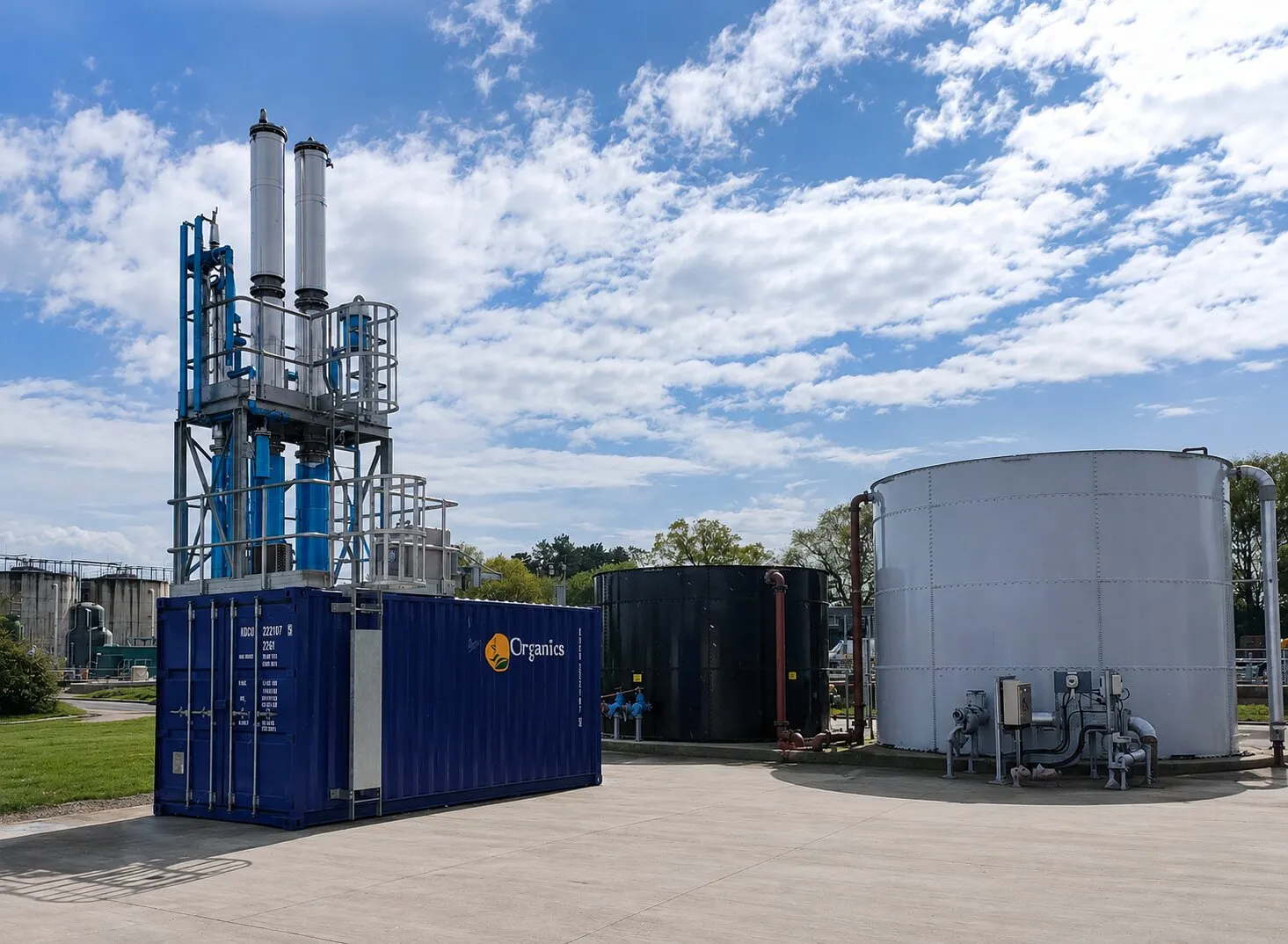
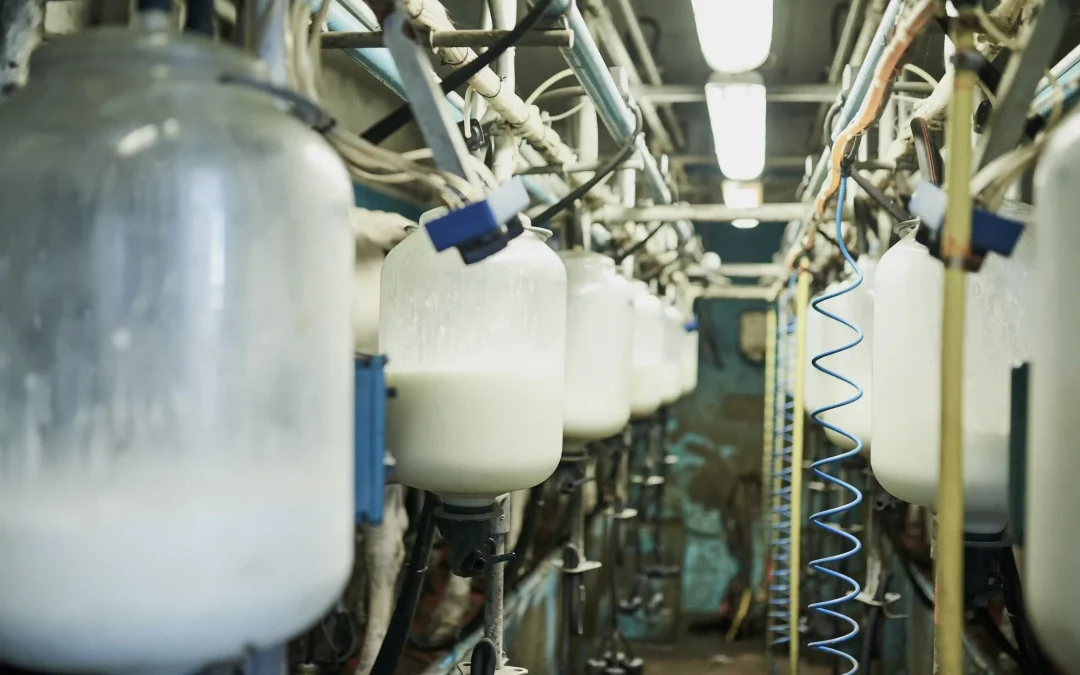
A large dairy processing plant may generate sufficient ammoniacal nitrogen in its effluent to produce 200+ tonnes of ammonium hydroxide per year — a product with industrial, agricultural and OMRI-eligible markets — that it is currently paying to destroy.
High-protein food and drink manufacturing produces effluents with ammoniacal nitrogen loads that are challenging to treat conventionally — and highly suitable for thermal ammonia recovery.
Sources of Ammonia in Food and Drink Manufacturing
Ammonia in food processing wastewater arises primarily from protein degradation. Sectors with the most significant loads include:
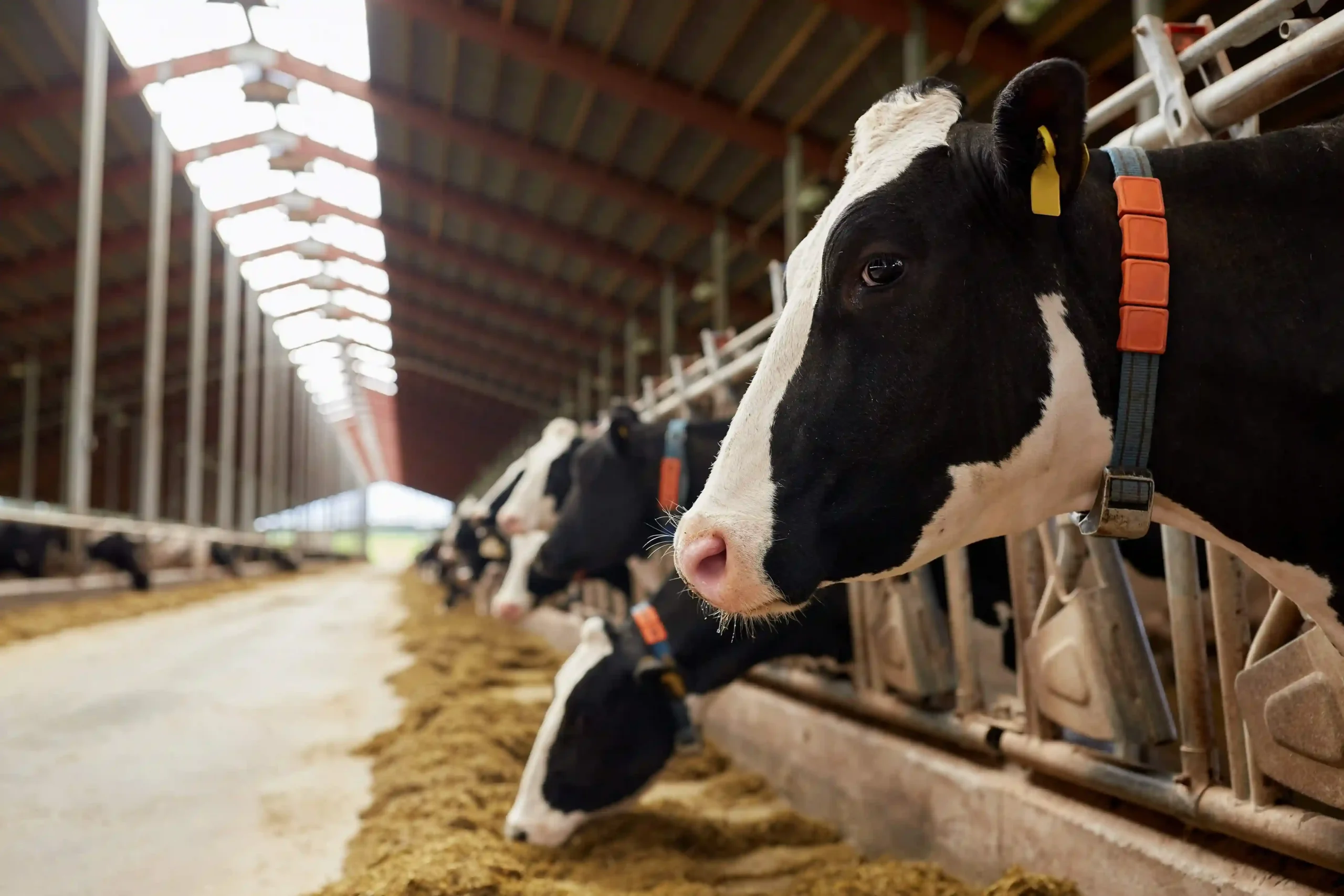
Dairy Processing
whey, CIP effluents from cheese and butter manufacture
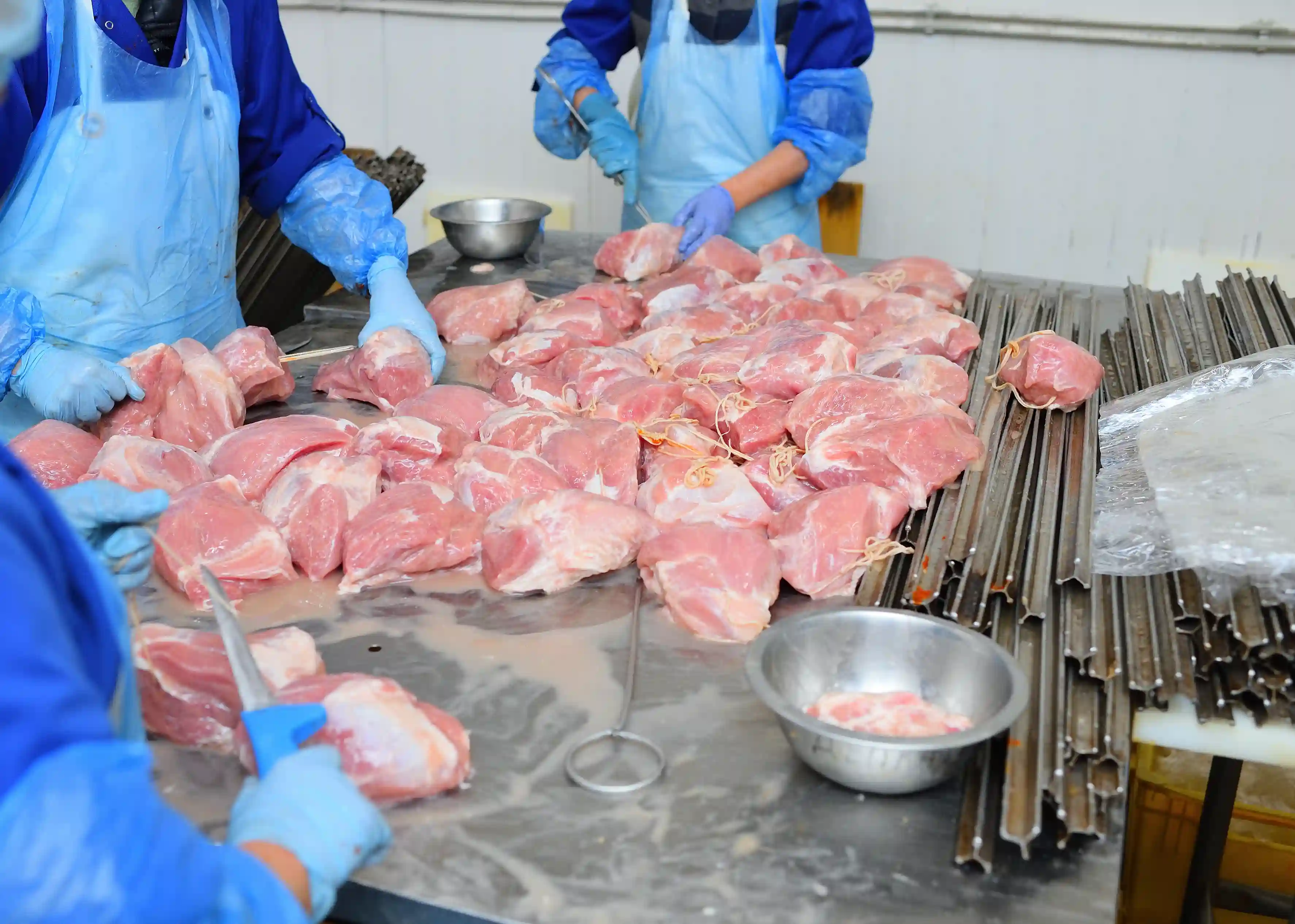
Meat and Poultry
blood water, rendering condensate, slaughterhouse wash water
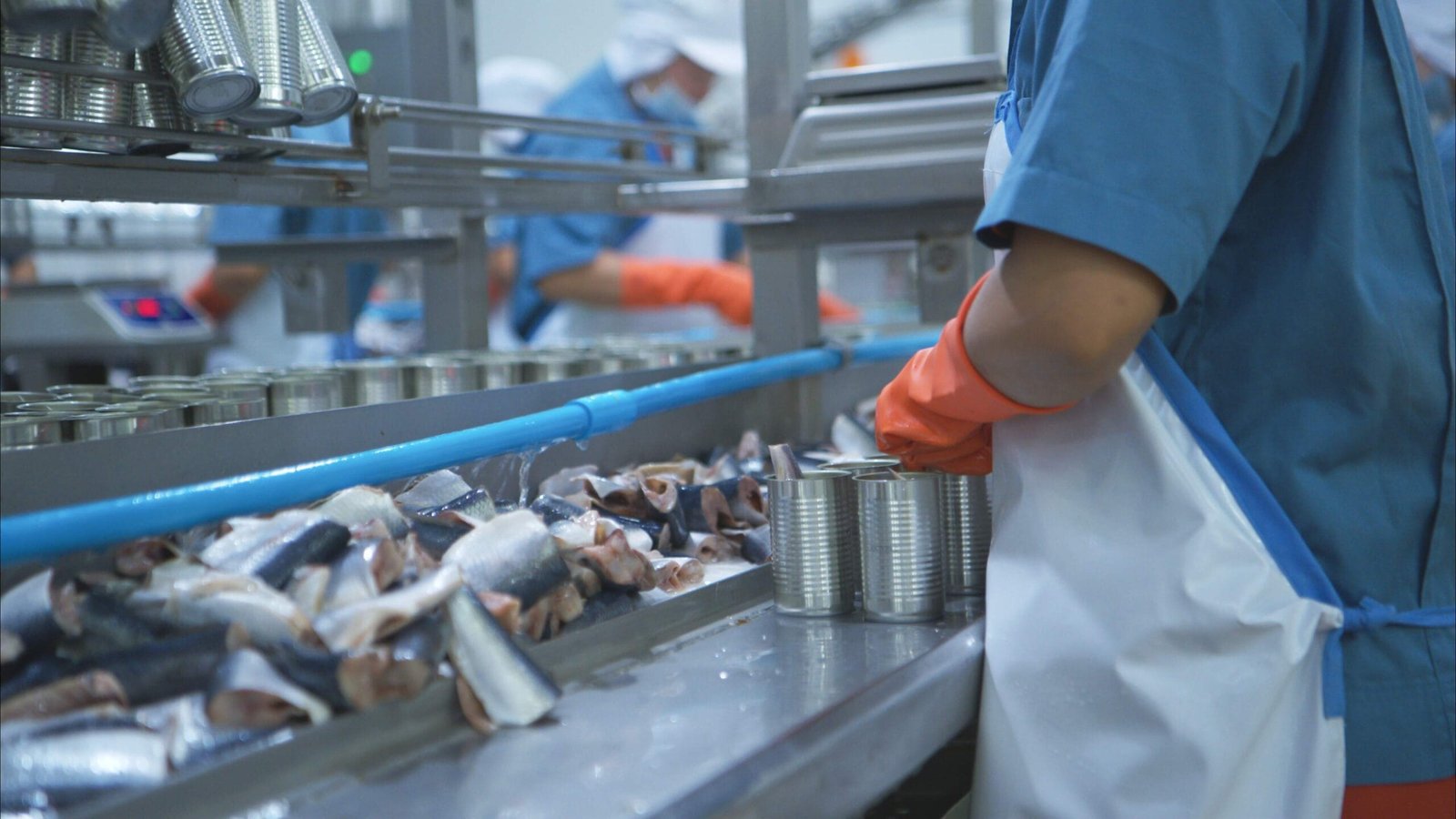
Fish Processing
high-protein wash waters and steam condensates
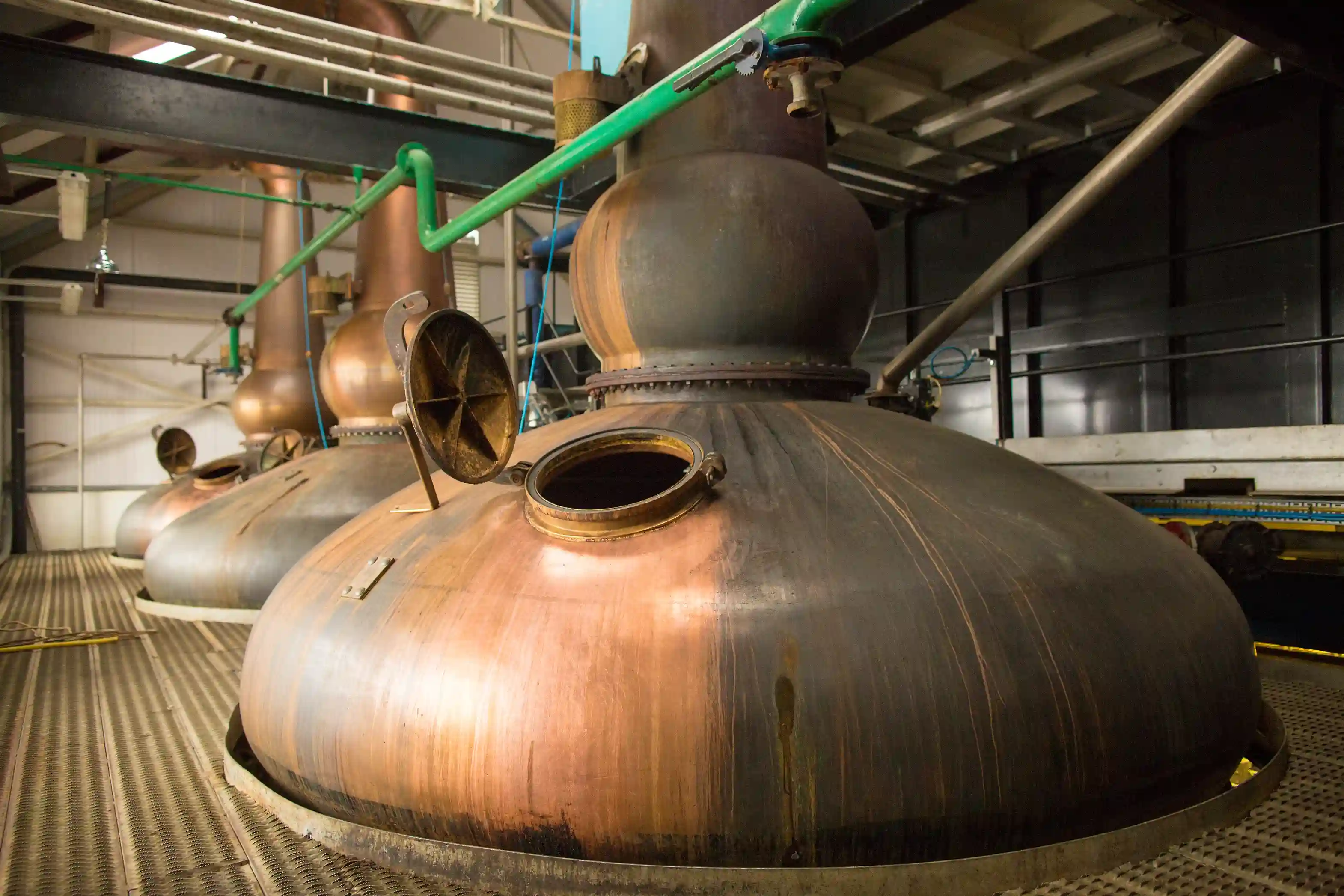
Fermentation and Brewing
yeast effluents, pot ale, distillery stillage
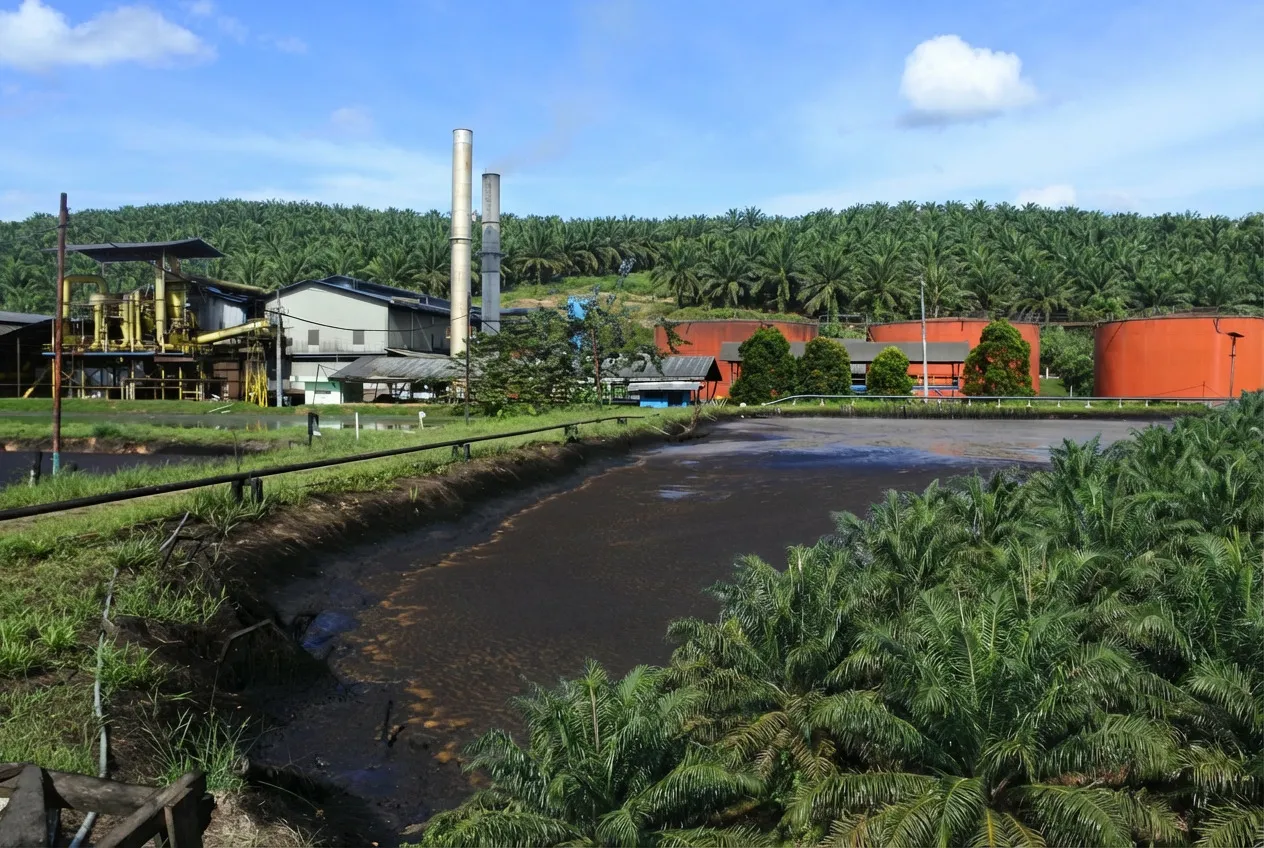
Vegetable and Starch Processing
blanch water, steep water from protein-rich crops
The Trade Effluent Cost Problem
Many food processors discharge to municipal sewer under trade effluent consent. Ammonia-related strength charges are a growing cost burden — particularly where the receiving treatment works is itself under nitrogen compliance pressure and passes that cost downstream. Some larger processors face trade effluent costs of £300,000–£500,000 per annum, a significant portion of which relates to ammonia load charges.
On-Site Recovery with OTAR
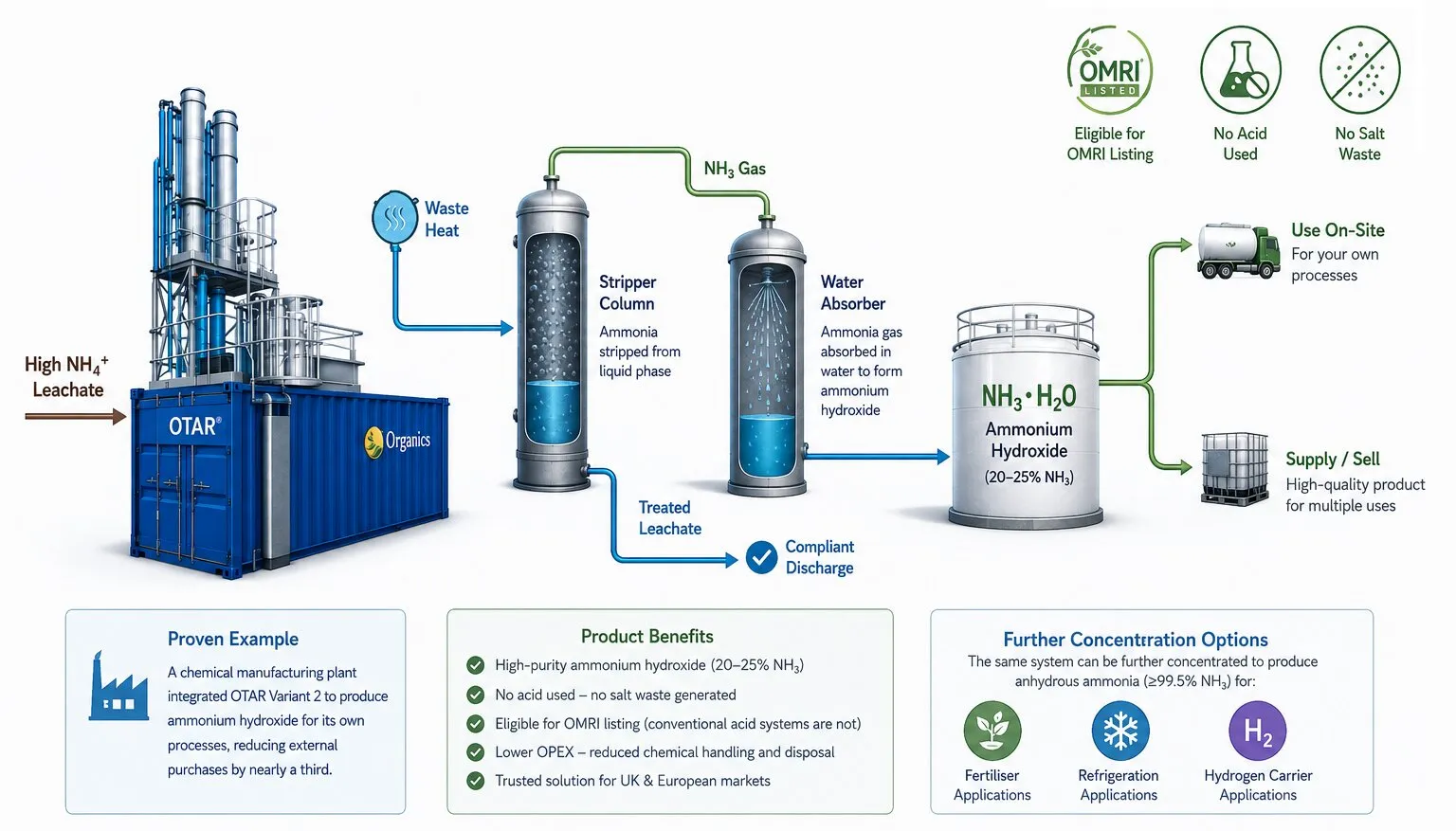
Installing OTAR on-site allows food processors to capture the nitrogen value before it enters the trade effluent stream. OTAR Variant 2 (water absorption, waste heat driven) is the preferred configuration for most food processing applications: it produces ammonium hydroxide without acid chemistry, making the product eligible for OMRI listing and reducing site safety complexity. Where waste heat from boilers, refrigeration or CHP is available, energy costs are further reduced. For processors with adjacent agricultural relationships, OMRI-listed ammonium hydroxide can be directly applied under the farm’s organic programme, creating a closed-loop supply chain within the same business.
Integration with Anaerobic Digestion
Many food manufacturers are installing anaerobic digestion to treat food waste and high-strength effluents. AD concentrates ammonia in the digestate reject water, making OTAR integration at the AD dewatering stage the most efficient point for nitrogen recovery. The Organics Group can design integrated AD and OTAR systems as a combined package, maximising both biogas yield and nitrogen recovery value from a single organic waste feedstock.