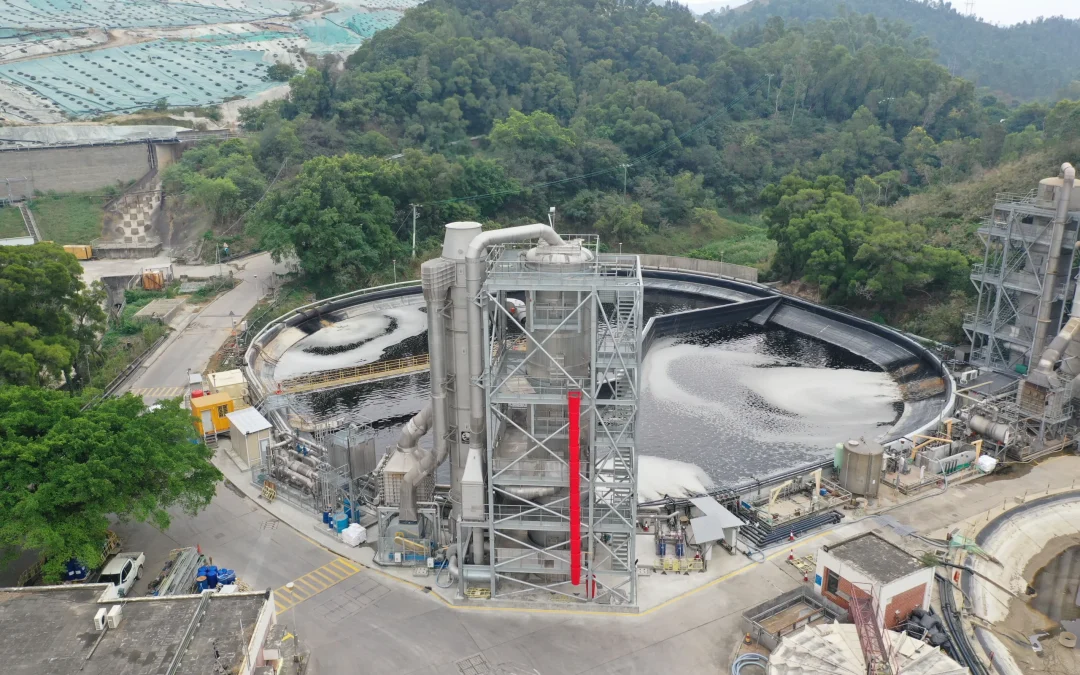
Several Hong Kong leachate treatment facilities run OTAR Variant 1 on waste heat from landfill gas engines. As a result, they meet strict nitrogen discharge limits without handling any chemical products. It is also a proven, low-complexity approach to a notoriously...
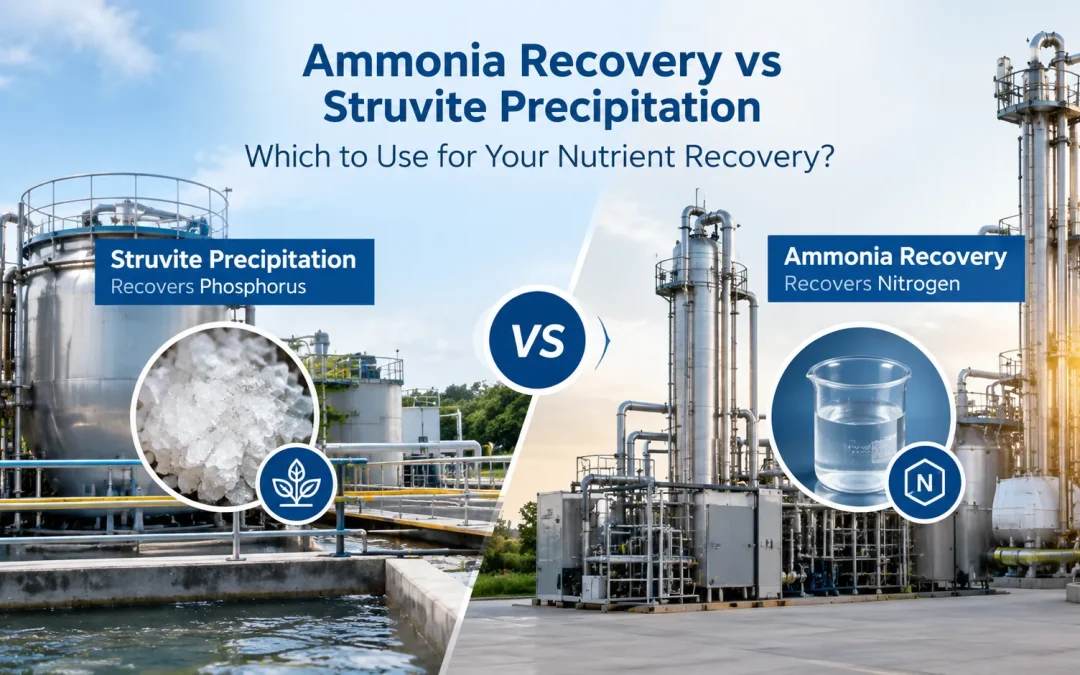
Struvite mainly recovers phosphorus, while OTAR mainly recovers nitrogen. For most high-TAN streams, the two technologies complement each other rather than compete. However, understanding the difference prevents expensive mistakes in technology selection. Many...
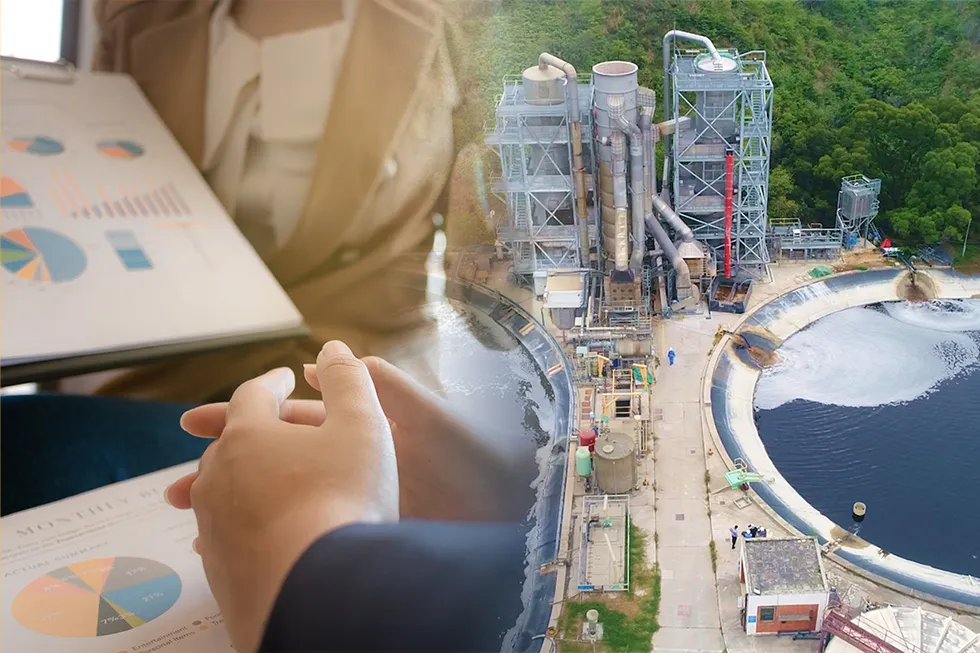
OTAR’s business case rests on three simultaneous value streams. Together, they frequently produce payback periods that compete favourably with conventional capital investment. For most operators, the investment decision comes down to three questions: what are...
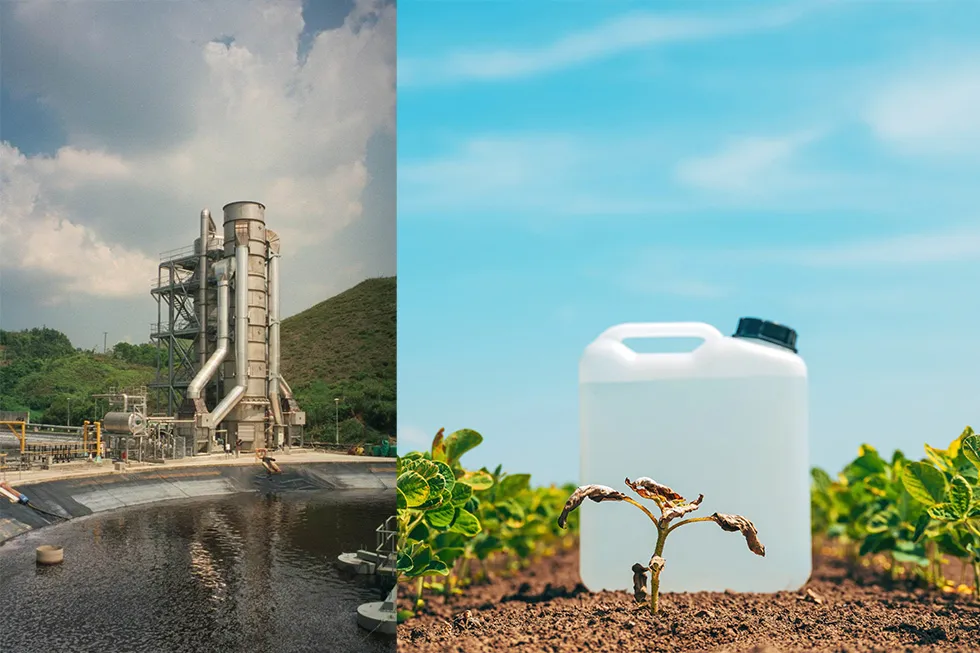
OTAR Variant 2 absorbs stripped ammonia into water instead of acid. As a result, it produces ammonium hydroxide eligible for OMRI listing. OMRI is a premium certification that commands higher market value and serves a rapidly growing global market. Most ammonia...
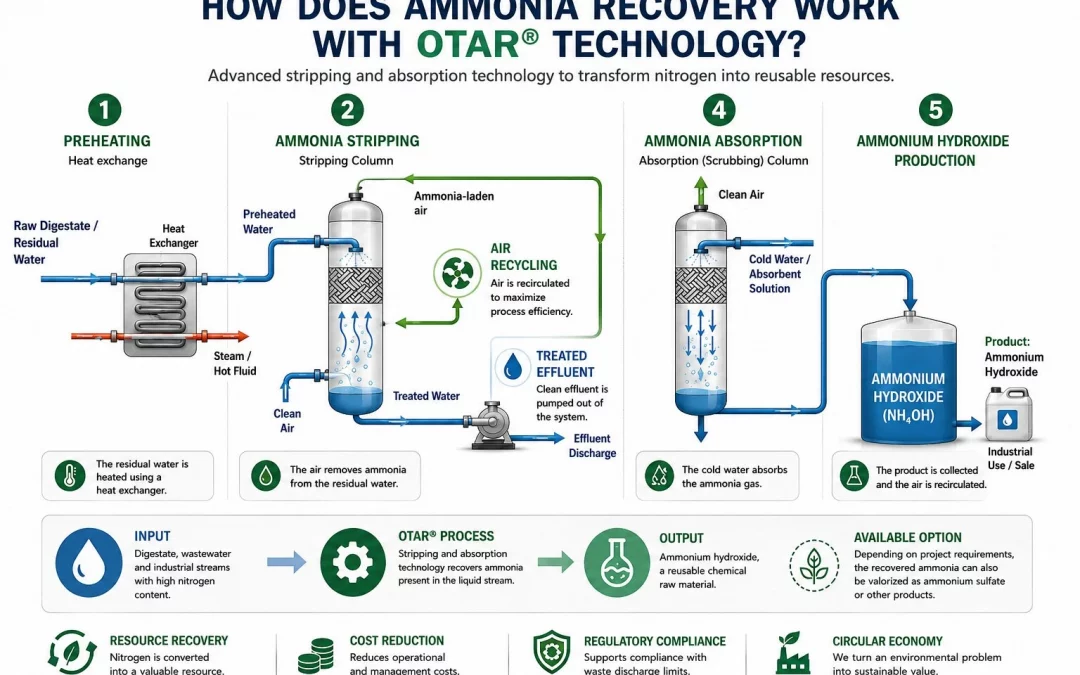
Thermal ammonia stripping is not a new concept — but OTAR’s modular integration of stripping, absorption and heat management represents a step-change in efficiency, reliability and commercial yield. The chemistry behind OTAR is elegant: shift the pH-temperature...
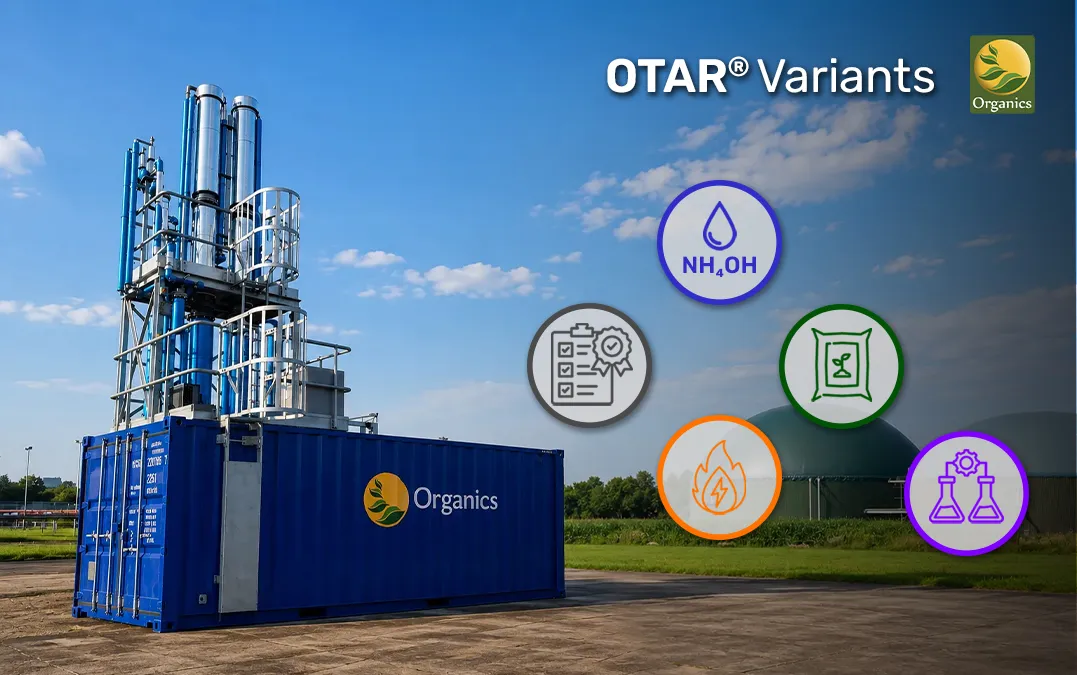
With over 20 years of operational experience and proven installations across Asia, OTAR’s five-variant architecture means there is a configuration for every site, regardless of waste heat availability, ammonia load or product market access Understanding OTAR...